
5 Things You Should Never Flush (Even If the Label Says “Flushable”)
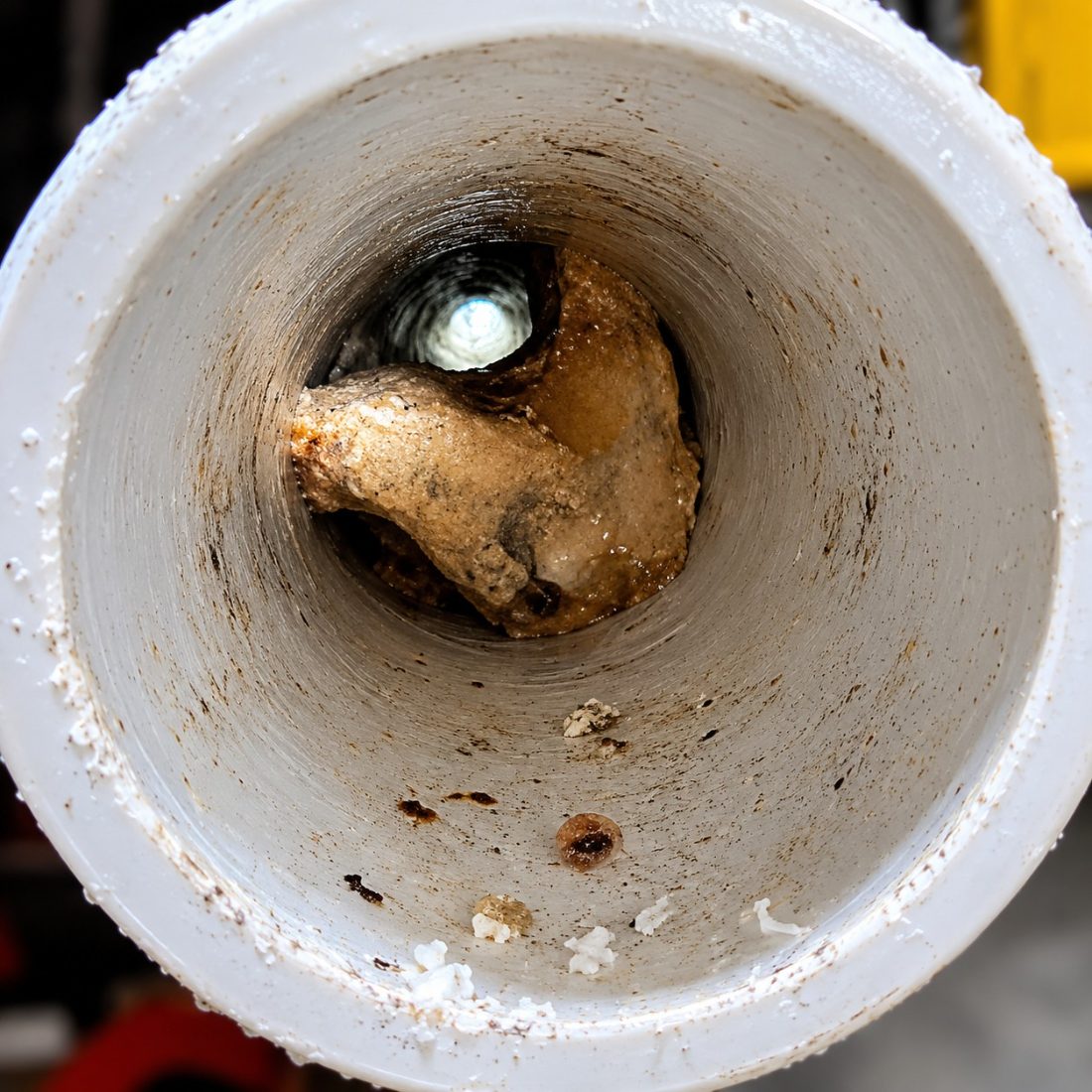
Only three things should ever go down a toilet: pee, poop, and toilet paper. Despite the marketing, “flushable” wipes do not break down and are a top cause of clogs and sewer backups. Also keep out grease and fats, paper towels and tissues, feminine hygiene products, cotton items, dental floss, and medications. Everything else belongs in the trash.
Your toilet is remarkably good at its job, which is exactly why it gets blamed for so little and asked to do so much. Over the years, it quietly becomes the household's catch-all disposal — a convenient place to make wipes, hygiene products, and yesterday's leftovers disappear with a single flush. The problem is that "out of sight" is not the same as "gone." Everything you flush has to travel through your home's drain lines and out to the sewer, and the things that should not be there are the things that get stuck.
At Buddy's Plumbing, a huge share of the clogged toilets and sewer backups we clear across Houston and Texas City trace back to a handful of items that simply should never have been flushed — including some that are marketed as safe. This guide covers the five worst offenders, explains why each one causes trouble, and gives you simple habits to keep your pipes clear and your home backup-free.
The Only Rule You Really Need: The Three P's
Before the list of what not to flush, here is the rule that prevents almost every avoidable clog. Only three things belong in a toilet: pee, poop, and (toilet) paper. Toilet paper is specifically engineered to break apart quickly in water so it can move through your pipes and the sewer system without snagging. Almost nothing else is. If an item is not one of the three P's, the safe answer is the trash can — every time. Keep that rule, and you have already avoided the most common and most expensive drain problems homeowners face.
1. “Flushable” Wipes
We are starting here because this is the single biggest offender, and the most misleading. Baby wipes, disinfecting wipes, makeup-removing wipes, and the moist "flushable" wipes sold specifically for bathroom use all share one problem: they do not break down. Toilet paper disintegrates in seconds; a wipe can sit in water for hours and come out intact. That durability is great when you are using it and terrible once it is in your pipes.
Inside your drain and sewer lines, wipes snag on joints, roots, and rough spots. They catch on each other. And critically, they bind with grease to form dense, immovable masses — the infamous "fatbergs" that block sewer lines and have to be physically cut out. The word "flushable" on the package means only that the wipe will go down when you flush; it says nothing about whether it will make it through your plumbing. In our experience clearing clogged toilets, wipes are at or near the top of the list of culprits every single time.
The fix is simple: no matter what the label promises, throw wipes in the trash, not the toilet. This one habit prevents more clogs than any other.
2. Grease, Fats, and Cooking Oil
This one usually goes down the kitchen sink rather than the toilet, but it belongs on any "never flush or pour" list because it is the number-one cause of sewer line clogs. When you pour bacon grease, fryer oil, or the fat from a pan down the drain, it goes down warm and liquid. Then it cools. As it cools, it congeals into a thick, waxy coating that clings to the inside of your pipes.
That coating does not go away on its own. It builds up layer by layer, narrowing the pipe and grabbing onto everything else that flows past — food particles, soap, and especially wipes. Over time it forms a blockage that stops the line entirely. Many of the worst sewer stoppages we clear are grease-based, and they are almost entirely preventable.
The fix: let grease and oil cool, then pour it into a can or jar and throw it in the trash. Wipe greasy pans with a paper towel before washing. Never rinse fat down the drain, even with hot water — it just travels farther before it hardens.
3. Paper Towels, Tissues, and “Extra” Paper Products
It seems logical that if toilet paper is fine, paper towels and facial tissues must be too. They are not. These products are designed to be strong and absorbent — to hold together when wet, which is the opposite of what you want in a drain. A paper towel that falls in the toilet does not dissolve; it stays whole, soaks up water, and lodges in the line.
The same goes for "flushable" toilet paper alternatives and thick, quilted papers used in excess. Even regular toilet paper can clog a line if too much is flushed at once. When you are out of toilet paper, the answer is still the trash for any substitute — never the toilet.
The fix: keep a trash can in every bathroom so tissues and paper towels have an obvious home that is not the toilet.
4. Feminine Hygiene and Personal Care Products
Tampons, pads, and similar products are built to absorb liquid and expand — exactly the wrong properties for something moving through a narrow pipe. They do not break down, they swell, and they catch on anything in their path. The result is a blockage that often requires professional removal.
Cotton balls, cotton swabs, and similar items belong in the same category. Cotton clumps together, holds its shape, and collects in low spots and bends in the line. None of it dissolves. All of it accumulates.
The fix: dispose of all hygiene and personal-care products in the trash. A small lidded bin in the bathroom handles this cleanly and discreetly.
5. Dental Floss, Hair, and Stringy Items
Dental floss seems harmless — it is thin and small. But floss is essentially a tiny, strong net. It does not break down, and once in the line it wraps around other debris and around any roots that have entered the pipe, becoming the anchor point for a growing clog. Hair behaves the same way, knitting together into mats that trap everything else.
Stringy and fibrous items in general — floss, hair, string, even certain "flushable" cleaning cloths — are clog-builders because they tangle. A single strand is nothing; a season's worth wound around a root or a rough joint is a blockage.
The fix: floss and hair go in the trash. Use drain strainers in tubs and showers to catch hair before it ever enters the line.
A Few More Things That Should Never Go Down
The five above cause the most trouble, but the list of "never flush" items is longer. Keep these out of your toilet and drains as well:
- Medications. Flushed pills do not just clog — they contaminate the water supply. Use a pharmacy take-back program instead.
- Diapers and baby wipes. Far too large and durable for any drain line.
- Cat litter, even the "flushable" kind, which clumps and expands.
- Food scraps, coffee grounds, and eggshells, which settle and build up.
- Paint, solvents, and chemicals, which damage pipes and the environment.
- Cigarette butts and small trash, which never break down.
Why This Matters More Than You Think
A single bad flush rarely causes an immediate disaster. The danger is cumulative. Every non-flushable item that does not break down stays in your system, joining the ones before it, slowly building toward a blockage. The early warning signs are easy to miss: a toilet that flushes a little slower, a gurgle from a nearby drain, water that rises higher than usual before going down.
Left unaddressed, that buildup leads to a full clog or sewer backup — and a sewer backup is not just inconvenient, it is a health hazard, sending contaminated water up through the lowest drains in your home. The cleanup is unpleasant and the repair is far more expensive than the trash can you could have used instead. Prevention genuinely is the whole game here.
Simple Habits That Protect Your Pipes
- Follow the three-P's rule — only pee, poop, and toilet paper go in the toilet.
- Put a trash can in every bathroom so the right choice is the easy choice.
- Never pour grease down any drain — cool it and trash it.
- Use drain strainers in sinks, tubs, and showers to catch hair and debris.
- Talk to your household, especially kids and guests, about what does and does not get flushed.
- Act on early warning signs — a slow or gurgling toilet is easier and cheaper to address before it becomes a backup.
What About the Garbage Disposal and Kitchen Sink?
The toilet gets most of the attention, but the kitchen sink and garbage disposal cause just as many clogs — and the same "it'll wash away" thinking is to blame. A garbage disposal grinds food, but grinding is not the same as dissolving. The pieces still have to travel through your pipes, and certain foods are notorious for causing trouble even after they have been ground up.
Keep these out of your disposal and kitchen drain: coffee grounds, which clump into a sludge that settles in the line; eggshells, whose membranes wrap around the disposal and whose fragments collect downstream; fibrous and stringy vegetables like celery, corn husks, and onion skins, which tangle the disposal blades; starchy foods like pasta, rice, and potato peels, which swell and turn to paste; and of course grease and oil, the worst offender of all. The disposal is for incidental scraps left on a plate, not for disposing of meal-sized food waste — that belongs in the trash or compost. Run cold water while the disposal works, and give it a few seconds to clear after the grinding sound stops. These small habits prevent a surprising number of kitchen backups.
The Bottom Line
Most clogged toilets and sewer backups are not bad luck — they are the predictable result of flushing things that were never meant to go down. The label on a package of wipes does not override how your plumbing actually works. Stick to the three P's, keep grease and everything else in the trash, and you will avoid the overwhelming majority of drain problems homeowners face.
When a clog or backup does happen, do not reach for harsh chemical drain cleaners, which can damage your pipes — call a professional. Buddy's Plumbing clears clogged toilets, sink and sewer stoppages, and backups across Houston, Texas City, and the surrounding communities, 24/7. We find the cause, clear the line, and tell you honestly whether anything deeper needs attention, with a clear, flat-rate quote before any work begins. Every job is performed under the supervision of Licensed Master Plumber Daniel Nevarez, RMP #M41042. Got a clog that will not quit? Call your Buddy.
Need a licensed plumber you can trust?
Family-owned since 1967 · Licensed Master Plumber #M41042 · Flat-rate pricing · Available 24/7