
Tankless vs. Tank Water Heaters: Which Is Right for Your Texas City Home?
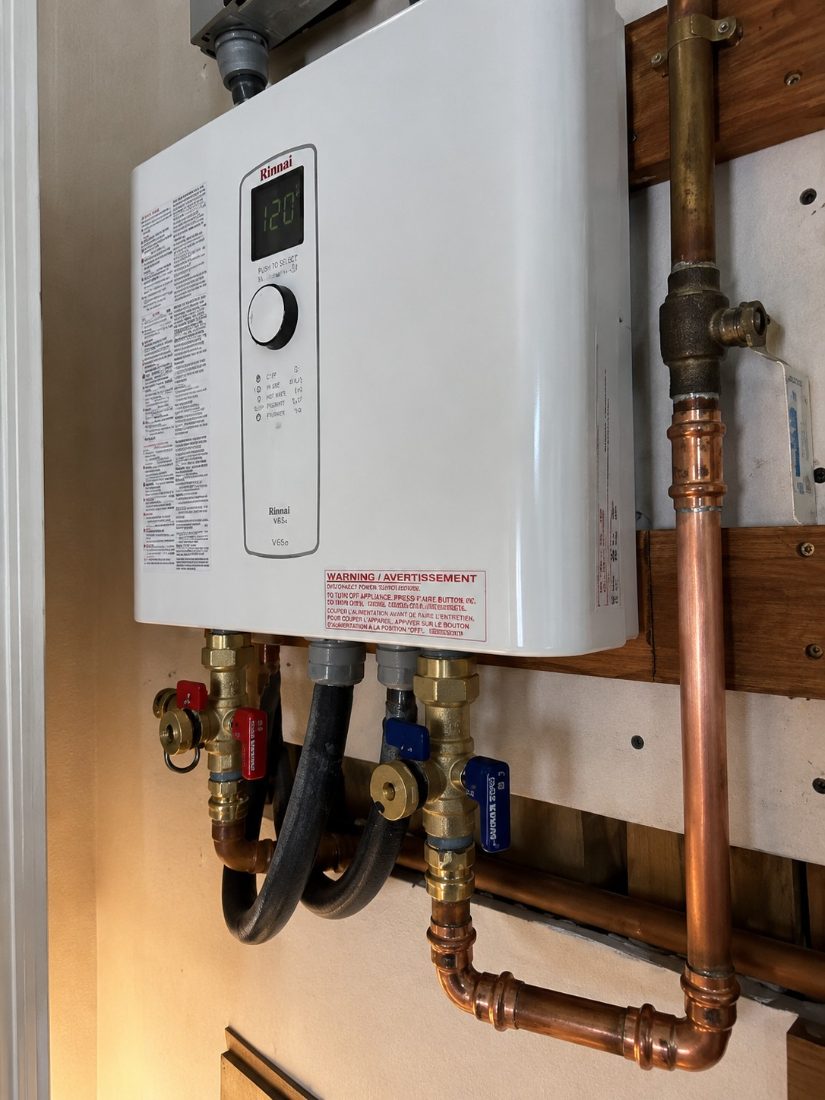
Tank water heaters cost less up front, are simpler to install, and deliver a large burst of hot water, but they run out during heavy use, take up space, and last about 8 to 12 years. Tankless water heaters cost more initially but provide endless on-demand hot water, use less energy, take up little space, and last 20 years or more. The right choice depends on your household's hot-water demand, budget, and how long you plan to stay in the home.
A water heater is one of those appliances you never think about until the morning it leaves you standing in a cold shower. When that day comes — or when you are building, remodeling, or simply tired of running out of hot water — you face a choice that will shape your home's comfort and energy bills for the next decade or two: a traditional tank water heater, or a modern tankless one.
There is no single "best" answer, and any plumber who tells you otherwise is selling rather than advising. The right water heater depends on how your household uses hot water, your budget, your space, and how long you plan to stay in your home. This guide breaks down both options in plain English — how they work, what they cost, how long they last, and which households each one suits best — so you can make a confident decision for your Houston or Texas City home.
How Each Type Works
Understanding the basic mechanics makes the rest of the comparison click into place.
Tank Water Heaters
A traditional water heater stores and heats a reservoir of water — commonly 40 to 50 gallons — in an insulated tank. It keeps that water hot around the clock so it is ready whenever you turn on a tap. When you draw hot water, cold water flows in to refill the tank and is heated in turn. The trade-off is built into the design: you get a large reserve of hot water on demand, but once that reserve is used up faster than it can reheat, you run out and have to wait for recovery.
Tankless Water Heaters
A tankless unit, also called an on-demand water heater, heats water only when you need it. There is no storage tank. When you open a hot tap, cold water flows through the unit and a powerful burner or element heats it instantly as it passes through. When you turn the tap off, the unit stops heating. Because there is no reservoir to deplete, a properly sized tankless heater can supply hot water continuously — and because it is not keeping a tank hot 24/7, it wastes less energy on standby.
Up-Front Cost and Installation
For most homeowners, cost is where the conversation starts. Here the two technologies diverge clearly.
Tank water heaters have a lower purchase price and a simpler installation, especially when you are replacing an existing tank with another tank. The connections are already in place, so the labor is straightforward. If your current unit just failed and budget is tight, a tank replacement is the faster, less expensive path back to hot water.
Tankless water heaters cost more up front — both the unit itself and the installation. Converting from a tank to a tankless system can involve upgrading the gas line to supply the higher burner demand, adding proper venting, and sometimes electrical work. None of that is a reason to avoid tankless; it simply means the initial investment is larger, and it should be installed by a licensed professional who sizes and configures it correctly. The payoff comes later, in energy savings and a much longer service life.
Hot-Water Capacity: Burst vs. Endless
This is the difference your family will feel every day.
A tank delivers a large burst of hot water — great for filling a tub or running back-to-back showers, up to a point. But when several people shower one after another, or the dishwasher and laundry run while someone bathes, the tank empties and everyone after that gets cold water until it recovers. Anyone who has been the last one into the shower on a busy morning knows the feeling.
A tankless unit, sized correctly, never runs out. It heats water continuously, so the third or fourth shower is just as warm as the first. The important caveat is sizing: a tankless heater has a maximum flow rate it can heat at once. If too many fixtures run simultaneously and the unit is undersized, the temperature can dip. That is why professional sizing — matching the unit to your home's peak demand and our incoming groundwater temperature — is essential. Done right, "endless hot water" is exactly what you get.
Lifespan and Long-Term Value
Over the life of the appliance, the gap between these two technologies widens.
A typical tank water heater lasts about 8 to 12 years. A well-maintained tankless unit can last 20 years or more — roughly double. That longevity changes the math. A tankless heater costs more once but may outlast two tank units, and it does so while using less energy each month. For homeowners planning to stay put, the long-term value often tilts toward tankless even though the sticker price is higher.
One regional asterisk matters here: our hard Gulf Coast water. Minerals in the water leave scale that shortens the life of any water heater. Tanks accumulate sediment at the bottom; tankless units develop scale on the heat exchanger. The remedy is maintenance — periodically flushing a tank or descaling a tankless unit. With that care, both types reach the upper end of their expected lifespan; without it, both fall short.
Energy Use and Operating Cost
Because a tank keeps 40-plus gallons of water hot all day and night, it loses heat continuously — what the industry calls "standby loss" — and pays to reheat it again and again, even when no one is home. A tankless unit eliminates that standby loss by heating only on demand, which is why tankless systems are generally more energy-efficient and can lower the water-heating portion of your utility bill over time.
How much you save depends on your habits. Households that use a moderate amount of hot water tend to see the biggest percentage savings from going tankless, because the standby losses they eliminate represent a larger share of their usage. Very high-volume households save in absolute dollars too, but should pay special attention to sizing so the unit keeps up with demand.
Space and Placement
A tank water heater is a large cylinder that needs floor space — often in a garage, utility closet, or attic. A tankless unit is roughly the size of a small suitcase and mounts on a wall, freeing up that footprint. For homeowners short on space, or those who want to reclaim a closet or garage corner, the compact size of a tankless system is a genuine advantage. It also opens up placement options that a bulky tank cannot match.
Which One Is Right for You?
Here is a straightforward way to think about it.
A Tank Water Heater May Be Right If:
- You want the lowest up-front cost and a fast, simple replacement
- Your current setup is a tank and you are not ready to upgrade gas, venting, or electrical
- Your household's hot-water use is modest or predictable
- You may move within a few years and want to minimize the initial spend
A Tankless Water Heater May Be Right If:
- You are tired of running out of hot water during back-to-back showers
- You plan to stay in your home long enough to benefit from the longer lifespan and energy savings
- You want to free up the floor space a tank occupies
- Lower monthly energy use and a 20-plus-year service life appeal to you
- You are building or remodeling and can plan the gas and venting from the start
The Importance of Professional Sizing and Installation
Whichever type you choose, the install determines whether you are happy with it. A tank that is too small for your household will leave you cold; a tankless unit that is undersized — or installed on an inadequate gas line — will underperform no matter how good the equipment is. Water heaters also involve gas, venting, electrical, and water connections that must meet code, both for performance and for safety. Permits are often required, and skipping them can create problems when you sell the home.
This is squarely a job for a licensed plumber. At Buddy's Plumbing, we size the unit to your home, handle tank and tankless installation, remove and dispose of your old unit, pull any required permits, and make sure everything is installed to code. We will give you an honest recommendation based on your household and budget — not just the most expensive option on the shelf.
Signs It Is Time to Replace — Not Repair
Sometimes the question is not which new unit to buy but whether you need one at all. These signs suggest replacement is the smarter move:
- Age. A tank past 10 to 12 years is living on borrowed time.
- Rusty or discolored hot water, which can indicate the tank is corroding from the inside.
- Water pooling around the base — a leaking tank cannot be repaired and should be replaced before it fails completely.
- Rumbling or popping noises from heavy sediment buildup.
- Hot water that runs out faster than it used to, even with no change in your habits.
If you are seeing these, have the unit inspected before it leaves you with a cold shower or a flooded garage.
The Bottom Line
Both tank and tankless water heaters are good choices — they simply suit different homes. A tank wins on up-front cost and simplicity; a tankless wins on endless hot water, energy efficiency, lifespan, and space. The best decision balances your budget today against your comfort and savings over the next ten to twenty years.
Buddy's Plumbing has installed and serviced water heaters across Houston, Texas City, and the surrounding communities since 1967. We will help you weigh the options for your specific home, size the unit correctly, and install it to code with a clear, flat-rate quote before any work begins. Every job is performed under the supervision of Licensed Master Plumber Daniel Nevarez, RMP #M41042, and we answer 24/7. Ready for reliable hot water? Call your Buddy.
Need a licensed plumber you can trust?
Family-owned since 1967 · Licensed Master Plumber #M41042 · Flat-rate pricing · Available 24/7