
Why Hydro Jetting Beats Snaking for Recurring Clogs
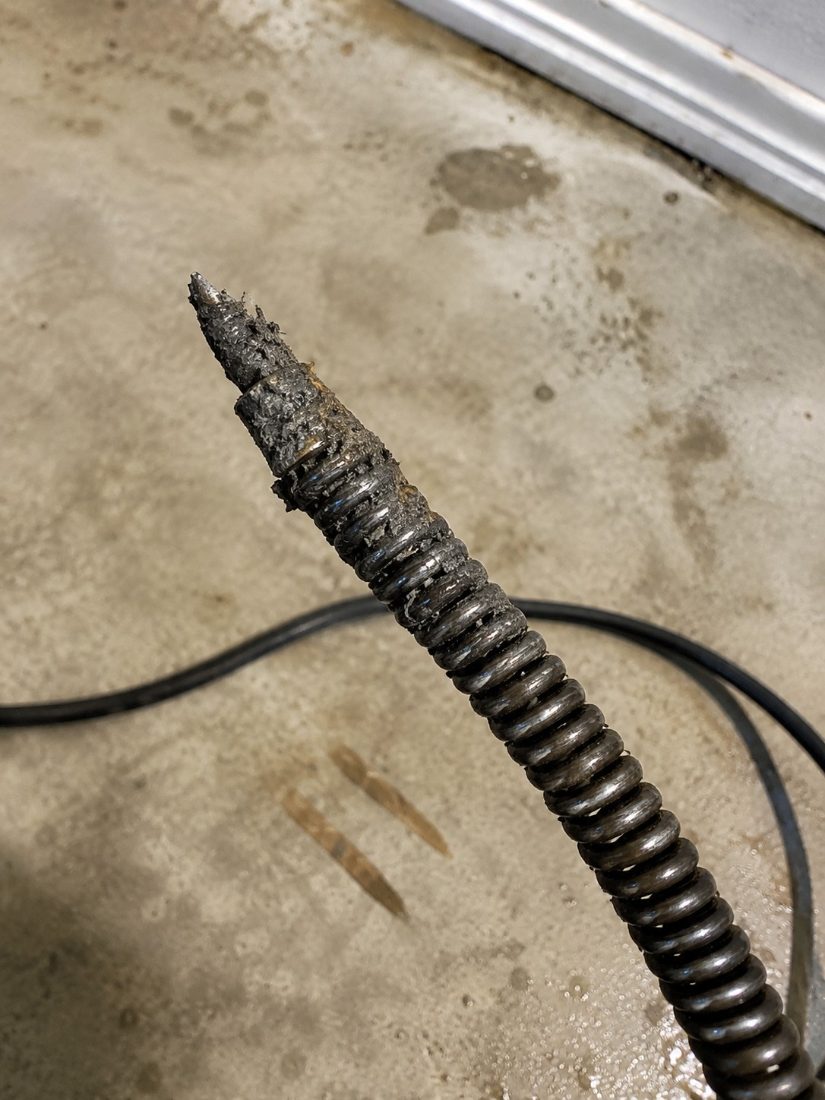
Snaking (cabling) breaks through a clog to restore flow quickly, but it only punches a hole in the blockage and leaves buildup on the pipe walls. Hydro jetting uses high-pressure water to scour the entire interior of the pipe — clearing grease, scale, and roots wall to wall. For recurring clogs, hydro jetting lasts far longer because it cleans the whole line, not just the obstruction.
If you have ever paid to have a drain cleared, only for the same clog to come crawling back a few months later, you already understand the frustration this article is about. You did everything right — you called a plumber, the water drained, the problem seemed solved — and yet here you are again, standing over a slow sink or a gurgling floor drain. The issue usually is not bad luck. It is the method that was used to clear the line.
There are two main ways professionals clear a clogged drain or sewer line: snaking (also called cabling or rodding) and hydro jetting. Both have their place, and at Buddy's Plumbing we use both depending on the situation. But when it comes to recurring clogs, one method consistently outperforms the other. This guide explains how each works, what they are best at, and why hydro jetting so often wins for the long haul — especially in the grease- and root-heavy lines we see across Houston and Texas City.
How Drain Snaking Works
A drain snake, or cable machine, is the tool most people picture when they think of drain cleaning. A long, flexible steel cable is fed into the drain line, and a motor spins it as it travels. At the end is a cutting head or auger that bores into the clog, breaks it apart, or hooks onto it so it can be pulled back out. Once the cable punches through the obstruction, water starts flowing again and the drain appears clear.
Snaking is fast, effective at restoring flow, and gentle enough for routine clogs and many older pipes. For a single, isolated blockage — a wad of hair in a bathroom line, a toy a toddler flushed, a fresh clog near a fixture — it is often exactly the right tool. It is also a good first step when a line is completely blocked and needs to be opened before anything else can be done.
The Limitation of Snaking
Here is the catch, and it is the heart of the recurring-clog problem: a snake punches a hole through the clog, but it does not clean the pipe. Picture a sewer line whose walls are coated with years of hardened grease, soap scum, and mineral scale. The opening through the middle has narrowed to the width of a pencil. A cable will bore a clear channel through that gunk and water will flow again — but the thick buildup is still clinging to the pipe walls. Within weeks or months, that buildup catches debris again, the opening closes back up, and you are calling for another clog. The snake treated the symptom, not the cause.
How Hydro Jetting Works
Hydro jetting takes a fundamentally different approach. Instead of a mechanical cable, it uses water — a lot of it, at very high pressure. A specialized hose with a precision nozzle is inserted into the line. The nozzle directs streams of water forward to cut through the clog and backward to scour the pipe walls and propel the hose through the line. The result is a powerful, 360-degree cleaning that strips the interior of the pipe back to bare wall.
That is the key difference. Where a snake bores a hole, hydro jetting removes everything: grease, soap, sludge, mineral scale, and even root intrusions get blasted loose and flushed out of the system. When the job is done, the pipe is not just open — it is genuinely clean, often close to the diameter it had when it was new.
What Hydro Jetting Removes
- Grease and fat buildup — the number-one cause of kitchen and sewer line clogs
- Soap scum and sludge that coat bathroom and laundry lines
- Mineral scale from our hard Gulf Coast water
- Tree roots that have worked into joints and cracks
- Sediment and debris settled in low spots and bellies
Hydro Jetting vs. Snaking: A Direct Comparison
Both methods clear drains, but they solve different problems. Here is how they stack up.
Cleaning Power
Snaking opens the clog. Hydro jetting cleans the entire pipe wall to wall. If the goal is simply to get water moving again, a snake will do it. If the goal is to actually remove the buildup that keeps causing clogs, jetting is in a different league.
How Long the Results Last
This is where the difference really shows. Because snaking leaves the pipe walls coated, clogs often return — sometimes within a few months. Because jetting strips the walls clean, it dramatically delays the next clog. For homeowners tired of repeat visits, that longevity is the whole point.
Best Use Cases
Snaking shines on isolated, simple clogs and as a quick way to open a fully blocked line. Hydro jetting is the better choice for grease-heavy lines, recurring clogs, root intrusion, full sewer-line cleaning, and any situation where you want the line restored to near-original capacity. Many jobs actually start with a cable to open the line, followed by jetting to clean it thoroughly.
Pipe Condition Matters
Snaking is gentle and works on nearly any pipe that is intact. Hydro jetting is powerful, which is exactly why a professional should inspect the line first — typically with a camera — to confirm the pipe is sound enough to handle the pressure. On fragile, badly corroded, or already-cracked pipe, a good plumber will recommend the right approach rather than blindly jetting. This is one of many reasons drain cleaning is best left to a licensed pro rather than a rental machine.
Why Recurring Clogs Almost Always Point to Buildup
When a drain clogs once, it can be a fluke — something went down that should not have. When a drain clogs again and again in the same place, that pattern is telling you something: the pipe walls are coated, the effective diameter has shrunk, and the line is primed to catch the next thing that comes along. Snaking that line repeatedly is like mowing weeds without pulling the roots. The only way to break the cycle is to clean the pipe itself, and that is precisely what hydro jetting does.
In our area, two culprits drive most recurring clogs. The first is grease — cooking oils and fats that go down warm as a liquid and harden into a thick, sticky coating as they cool. The second is roots; trees seeking moisture send fine roots into sewer-line joints, where they expand and snag debris. Both respond far better to jetting than to a cable, because both are problems of the whole pipe, not just one spot.
When Cleaning Is Not Enough
Honesty matters here, because no cleaning method fixes a broken pipe. Sometimes a recurring clog is not about buildup at all — it is a structural problem: a section of pipe that has collapsed, a "belly" where the line sags and collects water and waste, an offset joint, or roots that have not just entered the pipe but cracked it. In those cases, jetting will clear the line temporarily, but the clogs will keep returning because the pipe itself is failing.
That is why we believe in looking before we conclude. A camera inspection shows the true condition of the line, so we can tell you whether a good cleaning will solve the problem or whether the smarter long-term move is a sewer line replacement. You deserve to know which one you are dealing with before you spend money — not after. If routine drain cleaning is all you need, that is what we will recommend.
How to Keep Your Drains Clear Between Visits
Whichever method your line needs, a few habits go a long way toward preventing the next clog:
- Never pour grease down the drain. Let it cool and throw it in the trash — this single habit prevents the majority of kitchen and sewer clogs.
- Use drain strainers in sinks and tubs to catch hair, food scraps, and debris.
- Flush only the three P's — pee, poop, and (toilet) paper. Everything else belongs in the trash.
- Run hot water after using the kitchen sink to help carry residue through the line.
- Schedule preventive jetting if you have a history of recurring clogs, grease use, or root intrusion. It is far cheaper than emergency calls.
What Hydro Jetting Means for Local Homes and Businesses
Our corner of Texas puts specific demands on drain and sewer lines, and that shapes when jetting makes the most sense. Houston and Texas City homes deal with hard, mineral-rich water that leaves scale inside pipes, mature trees whose roots are constantly hunting for moisture, and a humid climate that keeps grease problems active year-round. Older neighborhoods often have decades-old sewer lines that have never been thoroughly cleaned — only ever snaked open when they backed up. For those lines, a single jetting can restore flow capacity that the homeowner has not seen in years.
For local businesses, the stakes are even higher. Restaurants, cafes, and any kitchen that produces grease are prime candidates for recurring sewer blockages, and a backup during business hours means closing the doors and losing revenue. Scheduled hydro jetting is a form of insurance for these operations — keeping the lines clear so a clog never forces an emergency shutdown. The same logic applies to apartment complexes, salons, and medical offices, where a single blocked main can affect many people at once. Preventive hydro jetting on a sensible schedule is almost always cheaper than the downtime and emergency rates of a backup.
The Bottom Line
Snaking and hydro jetting are both valuable tools, and the right answer depends on your situation. For a one-time clog or a line that simply needs to be opened, a snake may be all you need. But if you are fighting the same clog over and over, the problem is almost always buildup on the pipe walls — and that is a job for hydro jetting. It cleans the entire line, lasts far longer, and breaks the cycle of repeat visits.
At Buddy's Plumbing, we have cleared and cleaned drains across Houston, Texas City, and the surrounding communities since 1967. We will inspect the line, recommend the method that actually solves your problem, and give you a clear, flat-rate quote before any work begins. Every job is performed under the supervision of Licensed Master Plumber Daniel Nevarez, RMP #M41042, and we are available 24/7. Tired of the same clog coming back? Call your Buddy.
Need a licensed plumber you can trust?
Family-owned since 1967 · Licensed Master Plumber #M41042 · Flat-rate pricing · Available 24/7