Open 24/7 · Emergency service Houston & Texas City, TX
(409) 945-2557

All work is performed under the supervision of Licensed Master Plumber Daniel Nevarez, RMP #41042
Fully Insured  ·  Residential & Commercial  ·  Since 1967

Water Line & Pipe Services for Homes and Businesses Across SE Texas

Corroded pipes, pinhole leaks, low water pressure, and discolored water are all signs that your water lines need attention. Left unaddressed, failing water lines can cause water damage, mold, and costly structural repairs.

Buddy’s Plumbing offers a full range of water line and pipe services for residential and commercial properties across Houston, Texas City, Humble, League City, La Marque, and Hitchcock. Our licensed journeyman plumbers handle everything from full home repipes to PEX pipe installation, copper pipe repair and replacement, and galvanized pipe repair and replacement — with all work performed under the supervision of Licensed Master Plumber Daniel Nevarez, RMP #41042.

Water Line & Pipe Services We Offer

Home Repipe & Pipe Replacement

Full or partial repipe of your home’s water supply system with modern materials.

PEX Pipe Installation

Modern, flexible PEX piping — durable, freeze-resistant, and cost-effective.

Copper Pipe Repair & Replacement

Pinhole leak repair, corroded copper replacement, and full copper pipe service.

Galvanized Pipe Repair & Replacement

Replace aging galvanized steel pipes causing low pressure and rust-colored water.

Supply Line Repairs & Replacement

Individual supply line repairs for fixtures, appliances, and water shutoffs.

Commercial Water Line Services

Full range of commercial water line work — repipe, repair, and PEX conversion.

Water Line Experts SE Texas Has Trusted Since 1967

Buddy’s Plumbing has been repairing and replacing water lines across SE Texas for over 30 years. We know the pipe materials common to this region — the galvanized lines from older homes, the copper systems that develop pinhole leaks over time, and the modern PEX systems that perform best in today’s builds.

Every water line job comes with a full assessment, honest recommendation, and a flat-rate quote before we touch anything. We work efficiently, clean up completely, and back every job with Licensed Master Plumber oversight.

30+
Years Experience

1967
Founded Texas City

3
Generations of Plumbers

2
Office Locations

Our Offer

All water line work comes with upfront flat-rate pricing and a clear scope of work before we start. Fully licensed and insured. All work performed under the supervision of Licensed Master Plumber Daniel Nevarez, RMP #41042. Senior and military discounts available.

Water Looks Off? Pressure Dropping? Call Buddy’s.

If your water looks off, your pressure is dropping, or your pipes are aging, call Buddy’s Plumbing for a free assessment.

Get a Free Estimate

Why Buddy’s Plumbing

The Right Plumber Makes All the Difference

We’re not a call center dispatching strangers. We’re a family-owned team of licensed plumbers who treat every home like our own — and have been doing it since 1967.

Licensed Master Plumber

Every job backed by Daniel Nevarez, RMP #41042 — not a handyman or subcontractor.

Serving SE Texas Since 1967

Three generations. A reputation built through honest work and word of mouth.

Flat-Rate, Transparent Pricing

Full quote approved before we start — no hourly surprises, ever.

Family-Owned Father & Son Team

Direct access to experienced leadership — not layers of management.

Ready to work with a plumber you can actually trust?
Flat-rate pricing · Licensed Master Plumber RMP #41042 · Houston & Texas City · Since 1967

Get a Free Estimate

Gas Lines

Getting Your Gas Line Test & Permit: What to Expect
B Buddy’s Plumbing·9 min read·Updated March 2026
Getting Your Gas Line Test & Permit: What to Expect
Quick Answer

A gas line test (pressure test) confirms your gas piping holds pressure with no leaks. It is typically required after new gas line installation or repairs, when restoring service after the gas has been off, or to pass inspection and get a meter release. A licensed plumber pressurizes the line, monitors the gauge, coordinates the city permit and inspection, and arranges the meter release with your gas provider once it passes.

Gas line work sits in a category all its own. A leaky faucet is an inconvenience; a gas problem is a safety issue, and that single fact shapes everything about how the work is done. Natural gas is safe and reliable when the system is sound — but the only way to know it is sound is to test it. That is what a gas line test and permit process is for, and if you have been told you need one, it helps enormously to understand what is actually happening and why.

Whether you are installing a new gas line, repairing an existing one, restoring service after the gas has been off, or trying to pass an inspection so your provider will turn the meter back on, the steps are similar — and they involve more than just a plumber. They involve your city and your gas provider too. This guide from Buddy’s Plumbing walks through what a gas pressure test is, when it is required, how the permit and inspection process works, and exactly what to expect from start to finish in Houston, Texas City, and the surrounding communities.

What Is a Gas Line Test?

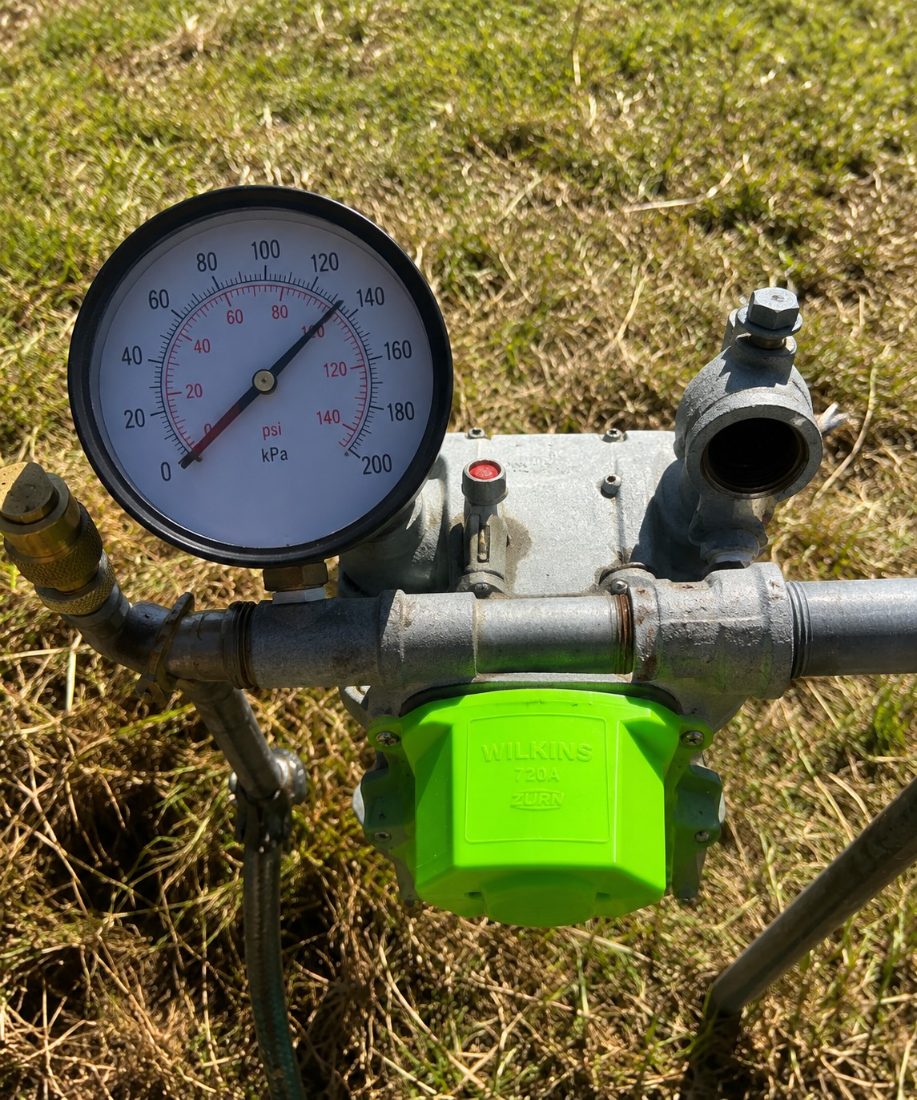
A gas line test — often called a gas pressure test — is a controlled check that confirms your gas piping holds pressure with no leaks. The concept is straightforward. A licensed plumber isolates the gas line, pressurizes it with air to a specified level, attaches a gauge, and monitors it for a set period. If the pressure holds steady, the line is tight and there are no leaks. If the gauge drops, gas (or in the test, air) is escaping somewhere, which means there is a leak that must be found and repaired before the system can be put into service.

It is a simple test with a serious purpose: to prove the integrity of the system before live gas flows through it. That is why it is required at the moments when the system’s integrity is most in question — after new work, after repairs, or after service has been interrupted.

When Is a Gas Pressure Test Required?

You do not test a gas line on a whim — it is required at specific trigger points. The most common are:

After a New Gas Line Installation

Any time a new gas line is run — for a new appliance, an addition, an outdoor kitchen, a pool heater, or new construction — it must be tested and inspected before the gas provider will connect it. The test proves the brand-new piping was assembled correctly and holds pressure.

After Repairs or Modifications

If an existing gas line is repaired, extended, or altered, the affected work generally has to be tested to confirm the modification is leak-free. Replacing a section of gas line falls squarely into this category.

When Restoring Service After the Gas Has Been Off

This is one of the most common reasons homeowners encounter a gas test unexpectedly. If your gas has been shut off — because of non-payment, a move into a new home, a remodel, or a safety shut-off — your provider will often require the line to pass a pressure test before they restore service. They want assurance that nothing has changed and the system is still tight before they send gas back through it.

To Pass Inspection and Get a Meter Release

Ultimately, many of these situations come down to one goal: a meter release, where the gas company turns the service back on at the meter. Providers generally will not release the meter until the line has passed its test and any required city inspection. The test and permit are the gatekeepers to getting your gas flowing.

Why a Permit Is Part of the Process

Because gas work affects safety, cities require permits and inspections for new gas lines, replacements, and many repairs. A permit is not bureaucratic busywork — it is the mechanism that ensures the work is performed to code and independently verified. When a permit is pulled, the city sends an inspector to confirm the installation meets safety standards before the system goes live.

Trying to skip the permit to save time or money is a costly mistake. Unpermitted gas work can create genuine safety hazards, and it can come back to haunt you when you sell your home, file an insurance claim, or have any future work inspected. A licensed plumber handles the permit as a normal part of the job — pulling it, performing the work to code, and meeting the inspector — so you are covered and compliant. This is one of the clearest reasons gas work should never be a DIY project or handed to an unlicensed handyman.

What to Expect: The Process Step by Step

Here is how a typical gas line test and permit job unfolds when you call a licensed plumber.

1. Assessment and Permit

First, your plumber evaluates the situation — what work is needed, what the city requires, and what your gas provider requires for a meter release. They then pull the appropriate permit with the city. Knowing exactly which permit and which inspection apply is part of the expertise you are paying for; it keeps the job moving without missteps.

2. Any Necessary Repairs or Installation

If you are installing a new line or replacing a section, that work is completed to code first. If the job is purely a test to restore service, this step may be as simple as preparing the existing line for pressurization.

3. The Pressure Test

The plumber isolates and pressurizes the gas line, attaches a gauge, and monitors it for the required period. A steady gauge means the line holds. If the pressure drops, there is a leak — and rather than a setback, this is the test doing exactly its job. The plumber locates the leak, repairs or replaces the affected section, and re-tests until the line passes.

4. City Inspection

With the line holding pressure, the city inspector verifies the work meets code. Because a licensed plumber performed the job to standard and pulled the proper permit, this step is typically a smooth confirmation rather than a hurdle.

5. Meter Release and Restored Service

Once the line passes the test and inspection, the plumber coordinates the meter release with your gas provider. The provider turns the gas back on at the meter, and your service is restored — safely and properly. At Buddy’s Plumbing, we manage this coordination between you, the city, and the gas company so you are not left chasing three different parties to get your gas back.

What Happens If the Line Fails the Test?

It is worth saying plainly, because homeowners often worry about it: a failed pressure test is not a disaster — it is the system working. The entire reason we test is to catch leaks before live gas is introduced. If the line does not hold, the plumber finds the leak, repairs or replaces the bad section, and tests again. You end up with a verified, leak-free system, which is exactly the outcome you want. A test that finds a problem has very likely prevented a far more serious one.

Why This Is a Job for a Licensed Plumber

Gas is not a place to cut corners or experiment. The combination of safety stakes, code requirements, permitting, inspections, and provider coordination puts gas line testing firmly in licensed-professional territory. A licensed plumber brings several things to the table that matter:

  • Safety expertise — the training to work with gas systems correctly and recognize hazards.
  • Code knowledge — performing the work to the standards inspectors require, the first time.
  • Permit handling — pulling the right permit and meeting the inspector so you do not have to navigate the city alone.
  • Provider coordination — arranging the meter release so your service is restored without you bouncing between parties.
  • Accountability — licensed, insured work you can stand behind when you sell or insure your home.

At Buddy’s Plumbing, all of our gas line services — including gas testing with permit — are performed under the supervision of Licensed Master Plumber Daniel Nevarez, RMP #M41042. We are fully insured, and we handle the entire process end to end.

How to Prepare for Your Gas Test

You do not need to do much, but a few things help the job go smoothly:

  • Know your situation. Be ready to tell your plumber why you need the test — new line, repair, restoring service, or a provider requirement.
  • Have provider details handy. Your gas account information helps coordinate the meter release.
  • Provide access. The plumber and inspector will need access to your gas meter, appliances, and any work areas.
  • Ask questions up front. A good plumber will explain the timeline, the permit, and the cost clearly before starting.
A Note for Homeowners and Businesses in Our Area

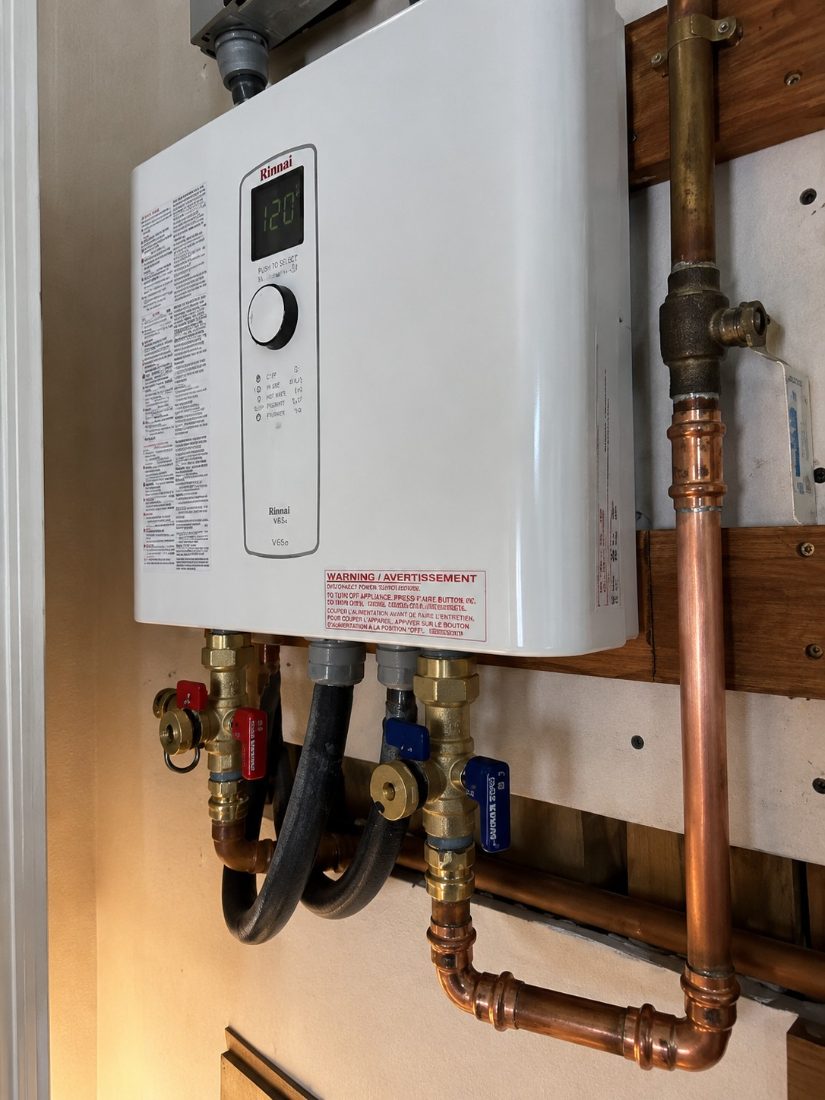
Gas line testing comes up more often than most people expect, and timing matters. If you are buying a home in Houston or Texas City and the gas has been off, you will likely need a passing pressure test before the provider restores service — so it is worth scheduling early in your move rather than discovering it the day you want hot water and a working stove. The same is true for rental properties between tenants, where service is frequently shut off and must be re-established with a test.

Remodels and additions are another common trigger. Adding a gas range, a tankless water heater, a pool heater, a fireplace, or an outdoor kitchen means new gas piping, which means a test, a permit, and an inspection before it can be used. Planning that work with a licensed plumber from the start keeps the project on schedule and avoids the frustration of a finished kitchen that cannot be turned on. For local businesses — restaurants especially — gas systems are essential to daily operation, and a properly permitted, tested, and inspected system protects both your staff and your ability to stay open. Whatever the trigger, building the test and permit into your timeline from the beginning is always smoother than scrambling for it at the end.

The Bottom Line

A gas line test and permit can feel like a maze of steps — pressurize, inspect, permit, meter release — but each one exists for the same reason: to make sure the gas flowing into your home does so safely. When you work with a licensed plumber, that maze becomes a single, managed process. You get a verified, leak-free system, code-compliant work, and your service restored properly.

Buddy’s Plumbing has handled gas line testing, repairs, and replacement across Houston, Texas City, and the surrounding communities since 1967. We pull the permits, perform the work to code, coordinate the inspection, and arrange the meter release with your provider — all with a clear, flat-rate quote before any work begins, and all under the supervision of Licensed Master Plumber Daniel Nevarez, RMP #M41042. Need a gas test, permit, or meter release handled the right way? Call your Buddy — we answer 24/7.

Related services: Gas Test with Permit Gas Line Replacement Gas Line Services

Need a licensed plumber you can trust?

Family-owned since 1967 · Licensed Master Plumber #M41042 · Flat-rate pricing · Available 24/7

FAQ

Frequently Asked Questions

You typically need a gas pressure test after a new gas line is installed, after gas line repairs or modifications, when restoring service after the gas has been shut off (for example, after non-payment, a move-in, or a remodel), or whenever the city or gas provider requires one to issue a meter release. A licensed plumber can tell you exactly what your situation requires.

The test itself involves pressurizing the line and monitoring it for a set period to confirm it holds. The overall timeline depends on coordinating the city permit and inspection and scheduling the meter release with your gas provider. We handle that coordination for you and keep you informed at each step so there are no surprises.

If the line does not hold pressure, there is a leak somewhere in the system. A licensed plumber locates the leak, repairs or replaces the affected section, and re-tests until the line passes. We then proceed with the inspection and meter release. Finding a leak during testing is exactly why the test exists — it keeps your home safe.

In most cases, yes. Gas work affects safety, so cities require permits and inspections for new gas lines, replacements, and many repairs. A licensed plumber pulls the permit, performs the work to code, and coordinates the inspection. Skipping permits can create safety risks and problems when you sell or insure your home.

A meter release is when your gas provider turns the gas service back on at the meter after the work has passed inspection. The provider generally will not restore service until the gas line has passed its pressure test and any required inspection. We coordinate the permit, inspection, and meter release so your gas is restored properly and safely.

Yes. We perform gas line testing, repairs, and replacement, pull the required permits, perform the work to code, coordinate the city inspection, and arrange the meter release with your provider — start to finish. Every job is performed under the supervision of Licensed Master Plumber Daniel Nevarez, RMP #M41042, and we are fully insured.

Drain & Sewer

5 Things You Should Never Flush (Even If the Label Says “Flushable”)

B Buddy’s Plumbing·8 min read·Updated February 2026
5 Things You Should Never Flush (Even If the Label Says “Flushable”)
Quick Answer

Only three things should ever go down a toilet: pee, poop, and toilet paper. Despite the marketing, “flushable” wipes do not break down and are a top cause of clogs and sewer backups. Also keep out grease and fats, paper towels and tissues, feminine hygiene products, cotton items, dental floss, and medications. Everything else belongs in the trash.

Your toilet is remarkably good at its job, which is exactly why it gets blamed for so little and asked to do so much. Over the years, it quietly becomes the household’s catch-all disposal — a convenient place to make wipes, hygiene products, and yesterday’s leftovers disappear with a single flush. The problem is that “out of sight” is not the same as “gone.” Everything you flush has to travel through your home’s drain lines and out to the sewer, and the things that should not be there are the things that get stuck.

At Buddy’s Plumbing, a huge share of the clogged toilets and sewer backups we clear across Houston and Texas City trace back to a handful of items that simply should never have been flushed — including some that are marketed as safe. This guide covers the five worst offenders, explains why each one causes trouble, and gives you simple habits to keep your pipes clear and your home backup-free.

The Only Rule You Really Need: The Three P’s

Before the list of what not to flush, here is the rule that prevents almost every avoidable clog. Only three things belong in a toilet: pee, poop, and (toilet) paper. Toilet paper is specifically engineered to break apart quickly in water so it can move through your pipes and the sewer system without snagging. Almost nothing else is. If an item is not one of the three P’s, the safe answer is the trash can — every time. Keep that rule, and you have already avoided the most common and most expensive drain problems homeowners face.

1. “Flushable” Wipes

We are starting here because this is the single biggest offender, and the most misleading. Baby wipes, disinfecting wipes, makeup-removing wipes, and the moist “flushable” wipes sold specifically for bathroom use all share one problem: they do not break down. Toilet paper disintegrates in seconds; a wipe can sit in water for hours and come out intact. That durability is great when you are using it and terrible once it is in your pipes.

Inside your drain and sewer lines, wipes snag on joints, roots, and rough spots. They catch on each other. And critically, they bind with grease to form dense, immovable masses — the infamous “fatbergs” that block sewer lines and have to be physically cut out. The word “flushable” on the package means only that the wipe will go down when you flush; it says nothing about whether it will make it through your plumbing. In our experience clearing clogged toilets, wipes are at or near the top of the list of culprits every single time.

The fix is simple: no matter what the label promises, throw wipes in the trash, not the toilet. This one habit prevents more clogs than any other.

2. Grease, Fats, and Cooking Oil

This one usually goes down the kitchen sink rather than the toilet, but it belongs on any “never flush or pour” list because it is the number-one cause of sewer line clogs. When you pour bacon grease, fryer oil, or the fat from a pan down the drain, it goes down warm and liquid. Then it cools. As it cools, it congeals into a thick, waxy coating that clings to the inside of your pipes.

That coating does not go away on its own. It builds up layer by layer, narrowing the pipe and grabbing onto everything else that flows past — food particles, soap, and especially wipes. Over time it forms a blockage that stops the line entirely. Many of the worst sewer stoppages we clear are grease-based, and they are almost entirely preventable.

The fix: let grease and oil cool, then pour it into a can or jar and throw it in the trash. Wipe greasy pans with a paper towel before washing. Never rinse fat down the drain, even with hot water — it just travels farther before it hardens.

3. Paper Towels, Tissues, and “Extra” Paper Products

It seems logical that if toilet paper is fine, paper towels and facial tissues must be too. They are not. These products are designed to be strong and absorbent — to hold together when wet, which is the opposite of what you want in a drain. A paper towel that falls in the toilet does not dissolve; it stays whole, soaks up water, and lodges in the line.

The same goes for “flushable” toilet paper alternatives and thick, quilted papers used in excess. Even regular toilet paper can clog a line if too much is flushed at once. When you are out of toilet paper, the answer is still the trash for any substitute — never the toilet.

The fix: keep a trash can in every bathroom so tissues and paper towels have an obvious home that is not the toilet.

4. Feminine Hygiene and Personal Care Products

Tampons, pads, and similar products are built to absorb liquid and expand — exactly the wrong properties for something moving through a narrow pipe. They do not break down, they swell, and they catch on anything in their path. The result is a blockage that often requires professional removal.

Cotton balls, cotton swabs, and similar items belong in the same category. Cotton clumps together, holds its shape, and collects in low spots and bends in the line. None of it dissolves. All of it accumulates.

The fix: dispose of all hygiene and personal-care products in the trash. A small lidded bin in the bathroom handles this cleanly and discreetly.

5. Dental Floss, Hair, and Stringy Items

Dental floss seems harmless — it is thin and small. But floss is essentially a tiny, strong net. It does not break down, and once in the line it wraps around other debris and around any roots that have entered the pipe, becoming the anchor point for a growing clog. Hair behaves the same way, knitting together into mats that trap everything else.

Stringy and fibrous items in general — floss, hair, string, even certain “flushable” cleaning cloths — are clog-builders because they tangle. A single strand is nothing; a season’s worth wound around a root or a rough joint is a blockage.

The fix: floss and hair go in the trash. Use drain strainers in tubs and showers to catch hair before it ever enters the line.

A Few More Things That Should Never Go Down

The five above cause the most trouble, but the list of “never flush” items is longer. Keep these out of your toilet and drains as well:

  • Medications. Flushed pills do not just clog — they contaminate the water supply. Use a pharmacy take-back program instead.
  • Diapers and baby wipes. Far too large and durable for any drain line.
  • Cat litter, even the “flushable” kind, which clumps and expands.
  • Food scraps, coffee grounds, and eggshells, which settle and build up.
  • Paint, solvents, and chemicals, which damage pipes and the environment.
  • Cigarette butts and small trash, which never break down.

Why This Matters More Than You Think

A single bad flush rarely causes an immediate disaster. The danger is cumulative. Every non-flushable item that does not break down stays in your system, joining the ones before it, slowly building toward a blockage. The early warning signs are easy to miss: a toilet that flushes a little slower, a gurgle from a nearby drain, water that rises higher than usual before going down.

Left unaddressed, that buildup leads to a full clog or sewer backup — and a sewer backup is not just inconvenient, it is a health hazard, sending contaminated water up through the lowest drains in your home. The cleanup is unpleasant and the repair is far more expensive than the trash can you could have used instead. Prevention genuinely is the whole game here.

Simple Habits That Protect Your Pipes

  • Follow the three-P’s rule — only pee, poop, and toilet paper go in the toilet.
  • Put a trash can in every bathroom so the right choice is the easy choice.
  • Never pour grease down any drain — cool it and trash it.
  • Use drain strainers in sinks, tubs, and showers to catch hair and debris.
  • Talk to your household, especially kids and guests, about what does and does not get flushed.
  • Act on early warning signs — a slow or gurgling toilet is easier and cheaper to address before it becomes a backup.

What About the Garbage Disposal and Kitchen Sink?

The toilet gets most of the attention, but the kitchen sink and garbage disposal cause just as many clogs — and the same “it’ll wash away” thinking is to blame. A garbage disposal grinds food, but grinding is not the same as dissolving. The pieces still have to travel through your pipes, and certain foods are notorious for causing trouble even after they have been ground up.

Keep these out of your disposal and kitchen drain: coffee grounds, which clump into a sludge that settles in the line; eggshells, whose membranes wrap around the disposal and whose fragments collect downstream; fibrous and stringy vegetables like celery, corn husks, and onion skins, which tangle the disposal blades; starchy foods like pasta, rice, and potato peels, which swell and turn to paste; and of course grease and oil, the worst offender of all. The disposal is for incidental scraps left on a plate, not for disposing of meal-sized food waste — that belongs in the trash or compost. Run cold water while the disposal works, and give it a few seconds to clear after the grinding sound stops. These small habits prevent a surprising number of kitchen backups.

The Bottom Line

Most clogged toilets and sewer backups are not bad luck — they are the predictable result of flushing things that were never meant to go down. The label on a package of wipes does not override how your plumbing actually works. Stick to the three P’s, keep grease and everything else in the trash, and you will avoid the overwhelming majority of drain problems homeowners face.

When a clog or backup does happen, do not reach for harsh chemical drain cleaners, which can damage your pipes — call a professional. Buddy’s Plumbing clears clogged toilets, sink and sewer stoppages, and backups across Houston, Texas City, and the surrounding communities, 24/7. We find the cause, clear the line, and tell you honestly whether anything deeper needs attention, with a clear, flat-rate quote before any work begins. Every job is performed under the supervision of Licensed Master Plumber Daniel Nevarez, RMP #M41042. Got a clog that will not quit? Call your Buddy.

Related services: Clogged Toilet Repair Sewer Stoppages Drain Cleaning

Need a licensed plumber you can trust?

Family-owned since 1967 · Licensed Master Plumber #M41042 · Flat-rate pricing · Available 24/7

FAQ

Frequently Asked Questions

No. Despite the label, so-called flushable wipes do not break down like toilet paper. They stay intact, snag on pipe joints and roots, and bind with grease to form clogs and large blockages known as ‘fatbergs.’ Wipes are one of the most common causes of clogged toilets and sewer backups we see. Throw them in the trash, not the toilet.

If the toilet is draining normally, watch for slow flushing or gurgling over the next few days. If it clogs, stop flushing to avoid an overflow and avoid harsh chemical drain cleaners, which can damage pipes. If a plunger does not clear it, call a licensed plumber. Repeated or multiple-fixture backups can signal a problem deeper in the line that needs professional attention.

Grease and cooking fat go down warm as a liquid, then cool and harden inside your pipes into a thick, sticky coating. That coating narrows the line and catches everything else that comes through, eventually forming a blockage. Grease is the number-one cause of kitchen and sewer line clogs. Let it cool and throw it in the trash instead.

Yes. Items that do not break down accumulate in the sewer line, combine with grease, and create blockages that can back sewage up into your home through the lowest drains. A sewer backup is a health hazard and an emergency — and most are preventable by keeping non-flushable items out of the system.

We still recommend against it. ‘Biodegradable’ often means the material breaks down eventually under specific conditions — not quickly enough to clear your pipes or sewer line. In real-world plumbing, these wipes behave much like regular wipes and contribute to clogs. The trash is the safe choice.

Yes. Buddy’s Plumbing clears clogged toilets, sink and sewer stoppages, and sewer backups across Houston, Texas City, and surrounding communities — available 24/7. We find the cause, clear the line, and let you know if anything deeper needs attention. Every job is performed under the supervision of Licensed Master Plumber Daniel Nevarez, RMP #M41042.

Water Heaters

Tankless vs. Tank Water Heaters: Which Is Right for Your Texas City Home?

B Buddy’s Plumbing·9 min read·Updated February 2026
Tankless vs. Tank Water Heaters: Which Is Right for Your Texas City Home?
Quick Answer

Tank water heaters cost less up front, are simpler to install, and deliver a large burst of hot water, but they run out during heavy use, take up space, and last about 8 to 12 years. Tankless water heaters cost more initially but provide endless on-demand hot water, use less energy, take up little space, and last 20 years or more. The right choice depends on your household’s hot-water demand, budget, and how long you plan to stay in the home.

A water heater is one of those appliances you never think about until the morning it leaves you standing in a cold shower. When that day comes — or when you are building, remodeling, or simply tired of running out of hot water — you face a choice that will shape your home’s comfort and energy bills for the next decade or two: a traditional tank water heater, or a modern tankless one.

There is no single “best” answer, and any plumber who tells you otherwise is selling rather than advising. The right water heater depends on how your household uses hot water, your budget, your space, and how long you plan to stay in your home. This guide breaks down both options in plain English — how they work, what they cost, how long they last, and which households each one suits best — so you can make a confident decision for your Houston or Texas City home.

How Each Type Works

Understanding the basic mechanics makes the rest of the comparison click into place.

Tank Water Heaters

A traditional water heater stores and heats a reservoir of water — commonly 40 to 50 gallons — in an insulated tank. It keeps that water hot around the clock so it is ready whenever you turn on a tap. When you draw hot water, cold water flows in to refill the tank and is heated in turn. The trade-off is built into the design: you get a large reserve of hot water on demand, but once that reserve is used up faster than it can reheat, you run out and have to wait for recovery.

Tankless Water Heaters

A tankless unit, also called an on-demand water heater, heats water only when you need it. There is no storage tank. When you open a hot tap, cold water flows through the unit and a powerful burner or element heats it instantly as it passes through. When you turn the tap off, the unit stops heating. Because there is no reservoir to deplete, a properly sized tankless heater can supply hot water continuously — and because it is not keeping a tank hot 24/7, it wastes less energy on standby.

Up-Front Cost and Installation

For most homeowners, cost is where the conversation starts. Here the two technologies diverge clearly.

Tank water heaters have a lower purchase price and a simpler installation, especially when you are replacing an existing tank with another tank. The connections are already in place, so the labor is straightforward. If your current unit just failed and budget is tight, a tank replacement is the faster, less expensive path back to hot water.

Tankless water heaters cost more up front — both the unit itself and the installation. Converting from a tank to a tankless system can involve upgrading the gas line to supply the higher burner demand, adding proper venting, and sometimes electrical work. None of that is a reason to avoid tankless; it simply means the initial investment is larger, and it should be installed by a licensed professional who sizes and configures it correctly. The payoff comes later, in energy savings and a much longer service life.

Hot-Water Capacity: Burst vs. Endless

This is the difference your family will feel every day.

A tank delivers a large burst of hot water — great for filling a tub or running back-to-back showers, up to a point. But when several people shower one after another, or the dishwasher and laundry run while someone bathes, the tank empties and everyone after that gets cold water until it recovers. Anyone who has been the last one into the shower on a busy morning knows the feeling.

A tankless unit, sized correctly, never runs out. It heats water continuously, so the third or fourth shower is just as warm as the first. The important caveat is sizing: a tankless heater has a maximum flow rate it can heat at once. If too many fixtures run simultaneously and the unit is undersized, the temperature can dip. That is why professional sizing — matching the unit to your home’s peak demand and our incoming groundwater temperature — is essential. Done right, “endless hot water” is exactly what you get.

Lifespan and Long-Term Value

Over the life of the appliance, the gap between these two technologies widens.

A typical tank water heater lasts about 8 to 12 years. A well-maintained tankless unit can last 20 years or more — roughly double. That longevity changes the math. A tankless heater costs more once but may outlast two tank units, and it does so while using less energy each month. For homeowners planning to stay put, the long-term value often tilts toward tankless even though the sticker price is higher.

One regional asterisk matters here: our hard Gulf Coast water. Minerals in the water leave scale that shortens the life of any water heater. Tanks accumulate sediment at the bottom; tankless units develop scale on the heat exchanger. The remedy is maintenance — periodically flushing a tank or descaling a tankless unit. With that care, both types reach the upper end of their expected lifespan; without it, both fall short.

Energy Use and Operating Cost

Because a tank keeps 40-plus gallons of water hot all day and night, it loses heat continuously — what the industry calls “standby loss” — and pays to reheat it again and again, even when no one is home. A tankless unit eliminates that standby loss by heating only on demand, which is why tankless systems are generally more energy-efficient and can lower the water-heating portion of your utility bill over time.

How much you save depends on your habits. Households that use a moderate amount of hot water tend to see the biggest percentage savings from going tankless, because the standby losses they eliminate represent a larger share of their usage. Very high-volume households save in absolute dollars too, but should pay special attention to sizing so the unit keeps up with demand.

Space and Placement

A tank water heater is a large cylinder that needs floor space — often in a garage, utility closet, or attic. A tankless unit is roughly the size of a small suitcase and mounts on a wall, freeing up that footprint. For homeowners short on space, or those who want to reclaim a closet or garage corner, the compact size of a tankless system is a genuine advantage. It also opens up placement options that a bulky tank cannot match.

Which One Is Right for You?

Here is a straightforward way to think about it.

A Tank Water Heater May Be Right If:

  • You want the lowest up-front cost and a fast, simple replacement
  • Your current setup is a tank and you are not ready to upgrade gas, venting, or electrical
  • Your household’s hot-water use is modest or predictable
  • You may move within a few years and want to minimize the initial spend

A Tankless Water Heater May Be Right If:

  • You are tired of running out of hot water during back-to-back showers
  • You plan to stay in your home long enough to benefit from the longer lifespan and energy savings
  • You want to free up the floor space a tank occupies
  • Lower monthly energy use and a 20-plus-year service life appeal to you
  • You are building or remodeling and can plan the gas and venting from the start

The Importance of Professional Sizing and Installation

Whichever type you choose, the install determines whether you are happy with it. A tank that is too small for your household will leave you cold; a tankless unit that is undersized — or installed on an inadequate gas line — will underperform no matter how good the equipment is. Water heaters also involve gas, venting, electrical, and water connections that must meet code, both for performance and for safety. Permits are often required, and skipping them can create problems when you sell the home.

This is squarely a job for a licensed plumber. At Buddy’s Plumbing, we size the unit to your home, handle tank and tankless installation, remove and dispose of your old unit, pull any required permits, and make sure everything is installed to code. We will give you an honest recommendation based on your household and budget — not just the most expensive option on the shelf.

Signs It Is Time to Replace — Not Repair

Sometimes the question is not which new unit to buy but whether you need one at all. These signs suggest replacement is the smarter move:

  • Age. A tank past 10 to 12 years is living on borrowed time.
  • Rusty or discolored hot water, which can indicate the tank is corroding from the inside.
  • Water pooling around the base — a leaking tank cannot be repaired and should be replaced before it fails completely.
  • Rumbling or popping noises from heavy sediment buildup.
  • Hot water that runs out faster than it used to, even with no change in your habits.

If you are seeing these, have the unit inspected before it leaves you with a cold shower or a flooded garage.

The Bottom Line

Both tank and tankless water heaters are good choices — they simply suit different homes. A tank wins on up-front cost and simplicity; a tankless wins on endless hot water, energy efficiency, lifespan, and space. The best decision balances your budget today against your comfort and savings over the next ten to twenty years.

Buddy’s Plumbing has installed and serviced water heaters across Houston, Texas City, and the surrounding communities since 1967. We will help you weigh the options for your specific home, size the unit correctly, and install it to code with a clear, flat-rate quote before any work begins. Every job is performed under the supervision of Licensed Master Plumber Daniel Nevarez, RMP #M41042, and we answer 24/7. Ready for reliable hot water? Call your Buddy.

Related services: Water Heater Installation Tankless Water Heater Installation Water Heater Services

Need a licensed plumber you can trust?

Family-owned since 1967 · Licensed Master Plumber #M41042 · Flat-rate pricing · Available 24/7

FAQ

Frequently Asked Questions

For many households, yes. A tankless unit provides endless hot water, uses less energy, lasts about twice as long as a tank, and frees up floor space. It costs more up front, so the value depends on how long you plan to stay in the home and how much hot water you use. We help you weigh the numbers honestly before you decide.

A traditional tank water heater typically lasts 8 to 12 years. A well-maintained tankless unit can last 20 years or more. Hard water shortens both lifespans, which is why regular maintenance — flushing the tank or descaling the tankless unit — makes a real difference along the Gulf Coast.

A correctly sized tankless unit heats water on demand, so it will not run out the way a tank does. The key is proper sizing: the unit must be matched to your home’s peak demand and our incoming groundwater temperature. An undersized unit can struggle to supply several fixtures at once, which is why professional sizing matters.

Yes, and many homeowners do. Converting may involve upgrading the gas line, adding venting, and electrical work, depending on the unit. A licensed plumber will assess your home, size the unit correctly, handle any required permits, and install it to code so it performs safely and reliably.

Common causes include an undersized tank for your household, sediment buildup reducing capacity, a failing heating element or dip tube, or simply an aging unit near the end of its life. Have it inspected — sometimes it is a simple fix, and sometimes it is a sign it is time to replace.

Yes. Buddy’s Plumbing installs both tank and tankless water heaters, removes and disposes of your old unit, handles permits where required, and makes sure everything is up to code. Every job is performed under the supervision of Licensed Master Plumber Daniel Nevarez, RMP #M41042.

Sewer & Drain

Why Hydro Jetting Beats Snaking for Recurring Clogs

B Buddy’s Plumbing·8 min read·Updated January 2026
Why Hydro Jetting Beats Snaking for Recurring Clogs
Quick Answer

Snaking (cabling) breaks through a clog to restore flow quickly, but it only punches a hole in the blockage and leaves buildup on the pipe walls. Hydro jetting uses high-pressure water to scour the entire interior of the pipe — clearing grease, scale, and roots wall to wall. For recurring clogs, hydro jetting lasts far longer because it cleans the whole line, not just the obstruction.

If you have ever paid to have a drain cleared, only for the same clog to come crawling back a few months later, you already understand the frustration this article is about. You did everything right — you called a plumber, the water drained, the problem seemed solved — and yet here you are again, standing over a slow sink or a gurgling floor drain. The issue usually is not bad luck. It is the method that was used to clear the line.

There are two main ways professionals clear a clogged drain or sewer line: snaking (also called cabling or rodding) and hydro jetting. Both have their place, and at Buddy’s Plumbing we use both depending on the situation. But when it comes to recurring clogs, one method consistently outperforms the other. This guide explains how each works, what they are best at, and why hydro jetting so often wins for the long haul — especially in the grease- and root-heavy lines we see across Houston and Texas City.

How Drain Snaking Works

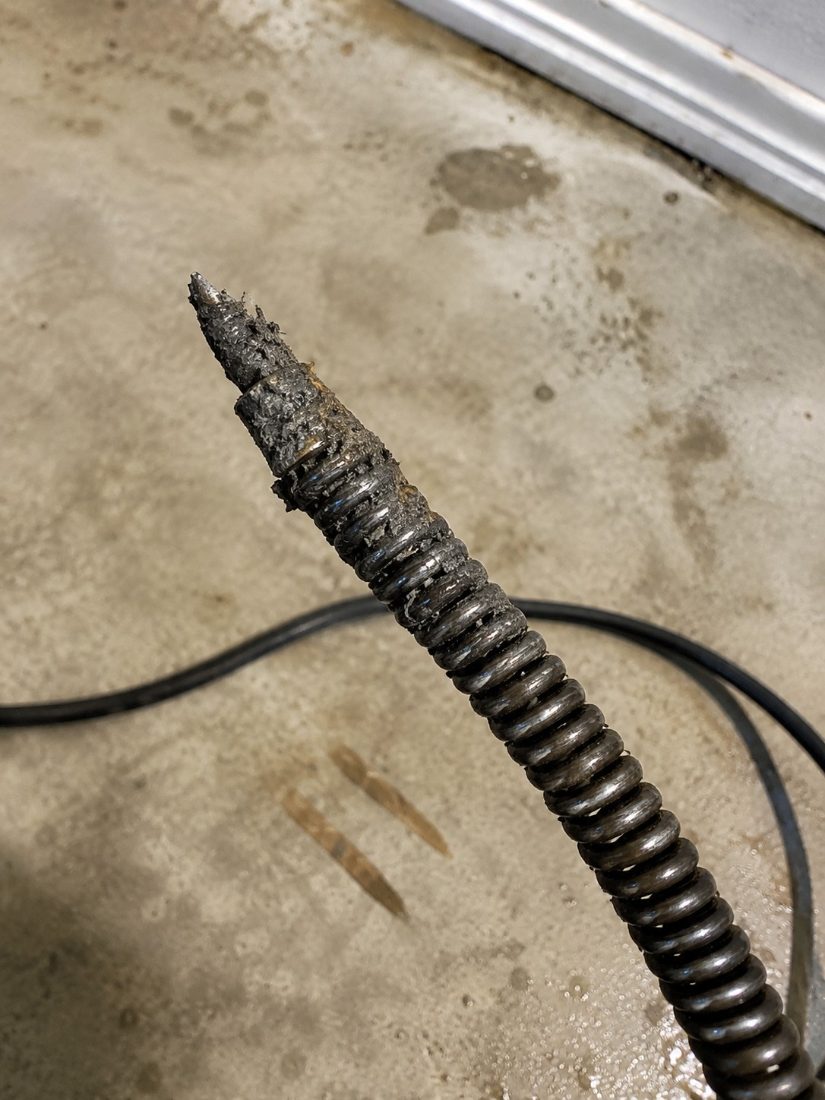
A drain snake, or cable machine, is the tool most people picture when they think of drain cleaning. A long, flexible steel cable is fed into the drain line, and a motor spins it as it travels. At the end is a cutting head or auger that bores into the clog, breaks it apart, or hooks onto it so it can be pulled back out. Once the cable punches through the obstruction, water starts flowing again and the drain appears clear.

Snaking is fast, effective at restoring flow, and gentle enough for routine clogs and many older pipes. For a single, isolated blockage — a wad of hair in a bathroom line, a toy a toddler flushed, a fresh clog near a fixture — it is often exactly the right tool. It is also a good first step when a line is completely blocked and needs to be opened before anything else can be done.

The Limitation of Snaking

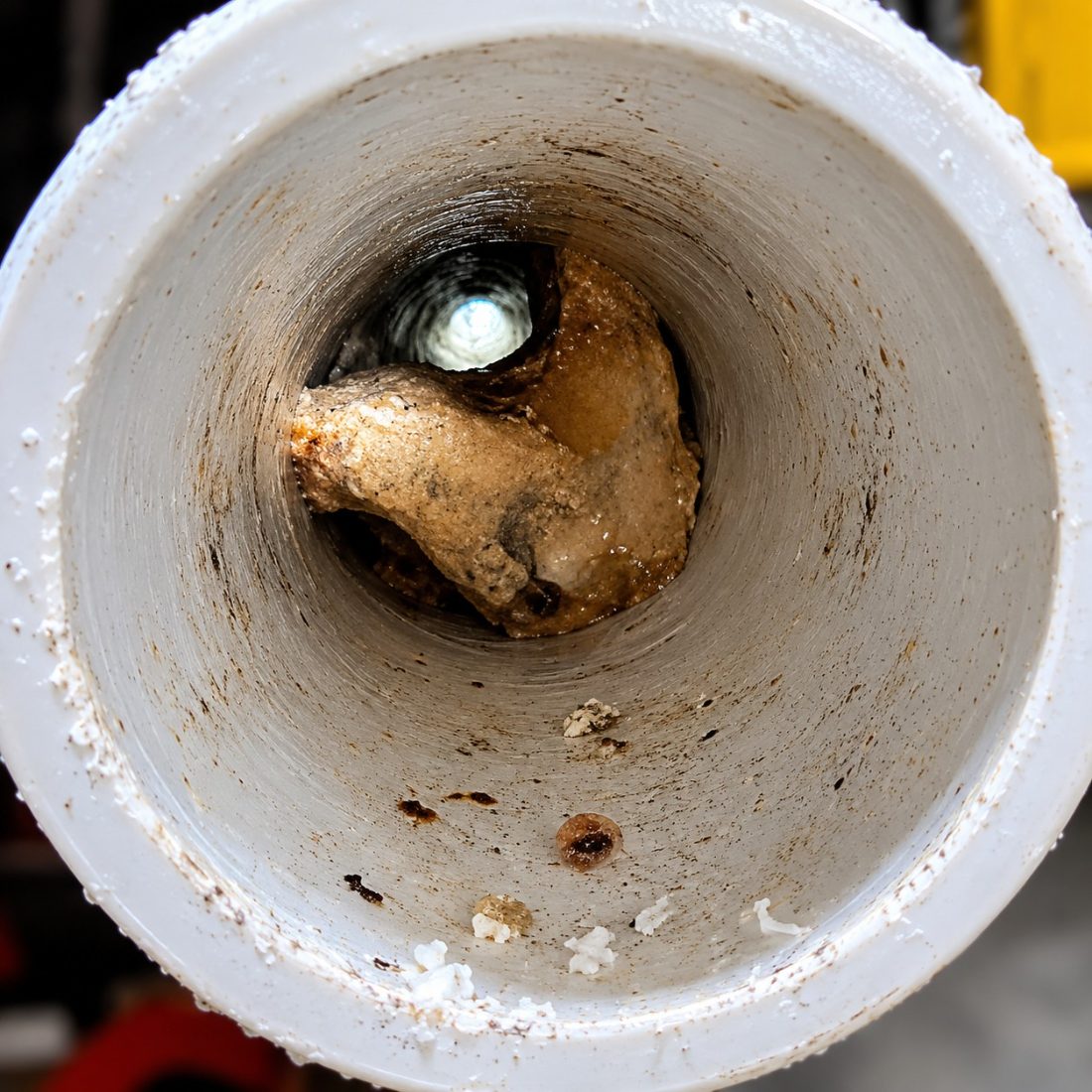
Here is the catch, and it is the heart of the recurring-clog problem: a snake punches a hole through the clog, but it does not clean the pipe. Picture a sewer line whose walls are coated with years of hardened grease, soap scum, and mineral scale. The opening through the middle has narrowed to the width of a pencil. A cable will bore a clear channel through that gunk and water will flow again — but the thick buildup is still clinging to the pipe walls. Within weeks or months, that buildup catches debris again, the opening closes back up, and you are calling for another clog. The snake treated the symptom, not the cause.

How Hydro Jetting Works

Hydro jetting takes a fundamentally different approach. Instead of a mechanical cable, it uses water — a lot of it, at very high pressure. A specialized hose with a precision nozzle is inserted into the line. The nozzle directs streams of water forward to cut through the clog and backward to scour the pipe walls and propel the hose through the line. The result is a powerful, 360-degree cleaning that strips the interior of the pipe back to bare wall.

That is the key difference. Where a snake bores a hole, hydro jetting removes everything: grease, soap, sludge, mineral scale, and even root intrusions get blasted loose and flushed out of the system. When the job is done, the pipe is not just open — it is genuinely clean, often close to the diameter it had when it was new.

What Hydro Jetting Removes

  • Grease and fat buildup — the number-one cause of kitchen and sewer line clogs
  • Soap scum and sludge that coat bathroom and laundry lines
  • Mineral scale from our hard Gulf Coast water
  • Tree roots that have worked into joints and cracks
  • Sediment and debris settled in low spots and bellies

Hydro Jetting vs. Snaking: A Direct Comparison

Both methods clear drains, but they solve different problems. Here is how they stack up.

Cleaning Power

Snaking opens the clog. Hydro jetting cleans the entire pipe wall to wall. If the goal is simply to get water moving again, a snake will do it. If the goal is to actually remove the buildup that keeps causing clogs, jetting is in a different league.

How Long the Results Last

This is where the difference really shows. Because snaking leaves the pipe walls coated, clogs often return — sometimes within a few months. Because jetting strips the walls clean, it dramatically delays the next clog. For homeowners tired of repeat visits, that longevity is the whole point.

Best Use Cases

Snaking shines on isolated, simple clogs and as a quick way to open a fully blocked line. Hydro jetting is the better choice for grease-heavy lines, recurring clogs, root intrusion, full sewer-line cleaning, and any situation where you want the line restored to near-original capacity. Many jobs actually start with a cable to open the line, followed by jetting to clean it thoroughly.

Pipe Condition Matters

Snaking is gentle and works on nearly any pipe that is intact. Hydro jetting is powerful, which is exactly why a professional should inspect the line first — typically with a camera — to confirm the pipe is sound enough to handle the pressure. On fragile, badly corroded, or already-cracked pipe, a good plumber will recommend the right approach rather than blindly jetting. This is one of many reasons drain cleaning is best left to a licensed pro rather than a rental machine.

Why Recurring Clogs Almost Always Point to Buildup

When a drain clogs once, it can be a fluke — something went down that should not have. When a drain clogs again and again in the same place, that pattern is telling you something: the pipe walls are coated, the effective diameter has shrunk, and the line is primed to catch the next thing that comes along. Snaking that line repeatedly is like mowing weeds without pulling the roots. The only way to break the cycle is to clean the pipe itself, and that is precisely what hydro jetting does.

In our area, two culprits drive most recurring clogs. The first is grease — cooking oils and fats that go down warm as a liquid and harden into a thick, sticky coating as they cool. The second is roots; trees seeking moisture send fine roots into sewer-line joints, where they expand and snag debris. Both respond far better to jetting than to a cable, because both are problems of the whole pipe, not just one spot.

When Cleaning Is Not Enough

Honesty matters here, because no cleaning method fixes a broken pipe. Sometimes a recurring clog is not about buildup at all — it is a structural problem: a section of pipe that has collapsed, a “belly” where the line sags and collects water and waste, an offset joint, or roots that have not just entered the pipe but cracked it. In those cases, jetting will clear the line temporarily, but the clogs will keep returning because the pipe itself is failing.

That is why we believe in looking before we conclude. A camera inspection shows the true condition of the line, so we can tell you whether a good cleaning will solve the problem or whether the smarter long-term move is a sewer line replacement. You deserve to know which one you are dealing with before you spend money — not after. If routine drain cleaning is all you need, that is what we will recommend.

How to Keep Your Drains Clear Between Visits

Whichever method your line needs, a few habits go a long way toward preventing the next clog:

  • Never pour grease down the drain. Let it cool and throw it in the trash — this single habit prevents the majority of kitchen and sewer clogs.
  • Use drain strainers in sinks and tubs to catch hair, food scraps, and debris.
  • Flush only the three P’s — pee, poop, and (toilet) paper. Everything else belongs in the trash.
  • Run hot water after using the kitchen sink to help carry residue through the line.
  • Schedule preventive jetting if you have a history of recurring clogs, grease use, or root intrusion. It is far cheaper than emergency calls.

What Hydro Jetting Means for Local Homes and Businesses

Our corner of Texas puts specific demands on drain and sewer lines, and that shapes when jetting makes the most sense. Houston and Texas City homes deal with hard, mineral-rich water that leaves scale inside pipes, mature trees whose roots are constantly hunting for moisture, and a humid climate that keeps grease problems active year-round. Older neighborhoods often have decades-old sewer lines that have never been thoroughly cleaned — only ever snaked open when they backed up. For those lines, a single jetting can restore flow capacity that the homeowner has not seen in years.

For local businesses, the stakes are even higher. Restaurants, cafes, and any kitchen that produces grease are prime candidates for recurring sewer blockages, and a backup during business hours means closing the doors and losing revenue. Scheduled hydro jetting is a form of insurance for these operations — keeping the lines clear so a clog never forces an emergency shutdown. The same logic applies to apartment complexes, salons, and medical offices, where a single blocked main can affect many people at once. Preventive hydro jetting on a sensible schedule is almost always cheaper than the downtime and emergency rates of a backup.

The Bottom Line

Snaking and hydro jetting are both valuable tools, and the right answer depends on your situation. For a one-time clog or a line that simply needs to be opened, a snake may be all you need. But if you are fighting the same clog over and over, the problem is almost always buildup on the pipe walls — and that is a job for hydro jetting. It cleans the entire line, lasts far longer, and breaks the cycle of repeat visits.

At Buddy’s Plumbing, we have cleared and cleaned drains across Houston, Texas City, and the surrounding communities since 1967. We will inspect the line, recommend the method that actually solves your problem, and give you a clear, flat-rate quote before any work begins. Every job is performed under the supervision of Licensed Master Plumber Daniel Nevarez, RMP #M41042, and we are available 24/7. Tired of the same clog coming back? Call your Buddy.

Related services: Hydro Jetting Drain Cleaning Sewer Line Replacement

Need a licensed plumber you can trust?

Family-owned since 1967 · Licensed Master Plumber #M41042 · Flat-rate pricing · Available 24/7

FAQ

Frequently Asked Questions

For pipes in sound condition, hydro jetting is safe and highly effective — it is a standard professional method for cleaning drain and sewer lines. Before jetting, a licensed plumber should evaluate the line (often with a camera) to confirm it can handle the pressure. On very old or already-compromised pipe, we recommend an inspection first so we use the right approach and pressure.

It depends on your usage and history. A typical home benefits from preventive jetting every 18 to 24 months, while restaurants and homes with heavy grease use or known root intrusion may need it annually. If you experience recurring clogs, jetting on a schedule is far cheaper than repeated emergency calls.

Yes. High-pressure hydro jetting can cut and flush out root intrusions that have entered a sewer line through joints and cracks. For severe or repeated root problems, we may also recommend a camera inspection to determine whether the line needs repair or replacement in addition to jetting.

Snaking sends a flexible metal cable into the line to break through or hook out a clog, restoring flow quickly. Hydro jetting sends water through a specialized nozzle at high pressure to scour the entire inner wall of the pipe. Snaking opens the clog; jetting cleans the whole pipe — which is why jetting lasts longer against recurring buildup.

Hydro jetting removes the buildup that causes most recurring clogs, so it lasts much longer than snaking. However, if the clog is caused by a structural problem — a collapsed pipe, a bad belly, or a broken joint — cleaning alone will not be a permanent fix. That is why we inspect the line and tell you honestly what is going on.

Yes. We can run a camera before and after jetting to confirm the cause of the clog, verify the line is clear, and check for any damage that needs attention. It takes the guesswork out and gives you a clear picture of your sewer line’s condition.

Leak Detection

How to Tell If You Have a Slab Leak (Before It Damages Your Foundation)

B Buddy’s Plumbing·9 min read·Updated January 2026
How to Tell If You Have a Slab Leak (Before It Damages Your Foundation)
Quick Answer

You may have a slab leak if you notice an unexplained jump in your water bill, the sound of running water when everything is off, warm or damp spots on the floor, low water pressure, or a constantly running water meter. Because the pipe is hidden beneath your concrete foundation, professional leak detection is the only way to confirm and locate it before it damages your slab.

Few plumbing problems cause as much quiet anxiety as a slab leak. The pipe is buried beneath inches of concrete, completely out of sight, and the first signs are easy to dismiss — a slightly higher water bill, a warm patch on the floor, the faint sound of water moving when the house is silent. By the time most homeowners realize something is wrong, water has already been escaping under the foundation for weeks or months.

If you live in Houston, Texas City, or anywhere along the Gulf Coast, slab leaks deserve your attention. Our expansive clay soil and aging pipe systems make this one of the most common serious plumbing issues we see at Buddy’s Plumbing. The good news: when you catch a slab leak early and have it professionally located and repaired, you can avoid the expensive foundation damage that makes these leaks so feared. This guide walks you through exactly what a slab leak is, the warning signs to watch for, what causes them in our region, how professionals find them, and what your repair options are.

What Is a Slab Leak, Exactly?

Most homes in our area are built on a concrete slab foundation. The water supply lines and, in many cases, the drain lines run through or beneath that slab. A slab leak is a leak in one of those pipes located under the concrete foundation of your home. It can occur on a pressurized supply line — where clean water is constantly pushing out — or on a drain line, where wastewater escapes as it flows.

Supply-line slab leaks tend to be more urgent because the water is under constant pressure, so it escapes continuously, day and night. Drain-line leaks can be sneakier; they may only release water when a fixture is used, which makes them harder to notice but no less damaging over time. Either way, the water has nowhere good to go. It saturates the soil under your slab, and that is where the real trouble begins.

The Warning Signs of a Slab Leak

Slab leaks rarely announce themselves with a dramatic flood. Instead, they show up as a collection of small clues. Any one of these on its own might be nothing — but together, they are a strong signal that you should call for professional leak detection.

1. An Unexplained Spike in Your Water Bill

This is the single most common sign. If your water usage habits have not changed but your bill jumps noticeably, water is escaping somewhere you cannot see. A pressurized slab leak can waste hundreds of gallons a day, and it shows up first on your monthly statement. Compare a few recent bills — a steady, unexplained climb is a red flag.

2. The Sound of Running Water When Everything Is Off

Turn off every faucet, appliance, and fixture in your home, then stand quietly. If you still hear water running, trickling, or hissing — especially near the floor — you may be hearing a slab leak. This is one of the clearest at-home indicators, and it is often what prompts homeowners to finally call.

3. Warm or Damp Spots on the Floor

A leak in a hot-water line under the slab will warm the floor above it. If you notice an unexplained warm patch on your tile or laminate — or a spot that stays damp, discolored, or feels different underfoot — there may be water moving directly beneath it. Cold-water leaks can produce cool, moist spots instead.

4. A Drop in Water Pressure

When water is escaping from a pipe before it reaches your faucets, the pressure at your fixtures falls. If your once-strong shower has weakened across the whole house and there is no other explanation, a slab leak could be bleeding off the pressure underground.

5. A Water Meter That Keeps Moving

Here is a simple test you can run yourself. Turn off all water inside and outside the home, then look at your water meter. If the dial or digital flow indicator is still moving, water is being used somewhere — and if no fixtures are on, that “somewhere” is very likely a leak, often under the slab.

6. Cracked Flooring, Mold, or a Musty Smell

As water collects under and around the slab, it can crack tile and grout, warp wood, and create the persistent moisture that mold and mildew love. A musty odor that will not go away, especially in one area of the house, can point to long-running hidden moisture from a slab leak.

  • Unexplained increase in your monthly water bill
  • Sound of running water with everything shut off
  • Warm, damp, or discolored spots on the floor
  • Whole-house drop in water pressure
  • A water meter that moves when no water is in use
  • Cracked flooring, mold, or a lingering musty smell

Why Slab Leaks Are So Common on the Texas Gulf Coast

Slab leaks happen everywhere, but our region sees more than its share, and the reason starts in the ground. Southeast Texas sits on expansive clay soil. When it rains, the clay absorbs water and swells; during dry spells, it shrinks and pulls away. That constant movement flexes everything buried in it — including the water lines running beneath your foundation. Over years, that stress causes pipes to rub, bend, and eventually fail.

Several other factors stack on top of our soil:

  • Aging pipe materials. Many older homes still have galvanized steel or early copper lines that corrode from the inside out over decades.
  • Corrosion and water chemistry. Minerals in the water can slowly eat away at copper, especially where pipes touch rough concrete or rebar.
  • High water pressure. Excessive pressure accelerates wear and stresses weak points in the system.
  • Abrasion against the slab. A pipe vibrating against concrete or gravel wears a thin spot until it finally breaks through.

Because these causes build up gradually, slab leaks tend to appear in homes that have been quietly fine for years — until they are not. That is exactly why knowing the warning signs matters so much here.

How Professionals Detect a Slab Leak

Here is the most important thing to understand: you should never let anyone break open your floor to “go looking” for a slab leak. Modern leak detection is precise, and a licensed plumber can pinpoint the leak before any concrete is touched. At Buddy’s Plumbing, our process is built around finding the exact location first, so the repair is targeted and your home is protected.

Electronic Leak Detection

Specialized acoustic equipment amplifies the sound of water escaping under pressure, allowing a trained technician to “listen” through the slab and trace the leak to a specific spot. Combined with the plumber’s experience, this is often the fastest way to narrow down a pressurized supply leak.

Pressure Testing

By isolating sections of your plumbing and applying controlled pressure, we can determine whether the leak is on the hot or cold supply line and confirm that a slab leak is in fact the culprit rather than another issue. This step prevents misdiagnosis and unnecessary work.

Hydrostatic Testing

For drain and sewer lines under the slab, hydrostatic testing is the gold standard. The system is sealed and filled with water to a set level; if the level drops, there is a leak in the underground drain system. It is the most reliable way to confirm a failure below the foundation before committing to a repair, and it is exactly the kind of diagnostic that separates a guess from a professional answer.

Slab Leak Repair Options

Once the leak is located, there is usually more than one way to fix it. The right choice depends on the pipe’s condition, where the leak sits, and how many problems the line is likely to develop in the future. A good plumber will walk you through the trade-offs honestly.

Spot Repair

If the line is otherwise in good shape and the leak is accessible, the most economical option is to open a small section of the slab, repair the damaged spot, and seal everything back up. This is ideal for a newer pipe with a single, isolated failure.

Rerouting the Line

Sometimes it makes more sense to abandon the failed section under the slab entirely and run a new line through the walls or ceiling instead. Rerouting avoids opening the foundation and can be the smart call when a single line has failed but the rest of the system is sound.

Tunneling and Under-Slab Replacement

When pipes are old and likely to keep failing — or when multiple leaks point to a system at the end of its life — the lasting fix is to replace the lines beneath the slab. Our crews use tunneling and excavation to access the pipes from below, which means we can perform a full under-slab plumbing replacement without tearing up your floors. It is more involved, but it solves the problem for good and protects the home you have invested in.

What Happens If You Ignore a Slab Leak

It is tempting to put off a repair you cannot see, especially if the symptoms feel minor. Resist that temptation. A slab leak never improves on its own — it gets worse, and the cost of waiting compounds:

  • Foundation damage. Water erodes and destabilizes the soil supporting your slab, which can lead to cracks, settling, and structural movement that costs far more to repair than the leak itself.
  • Mold and air-quality problems. Persistent moisture breeds mold behind walls and under floors, affecting both your home and your family’s health.
  • Ruined flooring and finishes. Warped wood, cracked tile, and stained carpet are common casualties of a leak left to run.
  • A water bill that keeps climbing. Every day the leak runs, you are paying for water that never reaches a faucet.

Catching the leak early is almost always the difference between a contained, manageable repair and a major project.

What to Do If You Suspect a Slab Leak

If several of the warning signs above sound familiar, take these steps:

  • Run the water-meter test. Shut off all water and check whether the meter still moves. Movement strongly suggests a hidden leak.
  • Note what you are seeing. Warm spots, the sound of water, recent bills — this information helps your plumber zero in faster.
  • Do not start breaking concrete. Let a professional locate the leak precisely first.
  • Call a licensed plumber promptly. The sooner the leak is found, the less it costs you in water and damage.

Slab leaks are serious, but they are also solvable — and you do not have to figure it out alone. Buddy’s Plumbing has located and repaired slab leaks across Houston, Texas City, and the surrounding communities for decades. Every job is performed under the supervision of Licensed Master Plumber Daniel Nevarez, RMP #M41042, we are fully insured, and we will always locate the leak and give you a clear, flat-rate quote before any work begins. If you think you have a slab leak, call your Buddy — we answer 24/7.

Related services: Leak Detection Under-Slab Plumbing Replacement Tunneling & Excavation

Need a licensed plumber you can trust?

Family-owned since 1967 · Licensed Master Plumber #M41042 · Flat-rate pricing · Available 24/7

FAQ

Frequently Asked Questions

Slab leak repair costs vary widely depending on how the leak is accessed and repaired. A simple spot repair on an accessible line is far less expensive than rerouting a pipe or tunneling under the foundation. Because every home and every leak is different, Buddy’s Plumbing locates the leak first, then gives you a clear, flat-rate quote before any work begins — so you know the full cost up front.

No. A slab leak will never resolve itself. Water under pressure continues to escape, and the problem only grows — eroding soil, damaging your foundation, and driving your water bill higher every month. The sooner it is found and repaired, the less damage it causes.

Licensed plumbers use non-invasive methods such as electronic listening equipment, pressure testing, and hydrostatic testing to pinpoint the leak before any concrete is opened. This lets us repair only the affected area instead of guessing, which protects your floors and keeps costs down.

Many policies cover the resulting water damage and the cost to access the leak (breaking and repairing the slab), even when the pipe itself is excluded. Coverage varies, so check your policy. We provide documentation of the leak location and repair to support your claim.

You should not wait. Even a small slab leak undermines the soil supporting your foundation and can lead to cracked tile, shifting, mold, and far more expensive structural repair. If you suspect a slab leak, call for professional detection right away — Buddy’s Plumbing answers 24/7.

Our expansive clay soils swell and shrink with moisture, putting stress on the pipes beneath your slab. Combined with older galvanized or copper lines, high water pressure, and natural corrosion, that movement is a leading cause of slab leaks across Houston, Texas City, and surrounding communities.

Welcome to ProteusThemes Demos. This is your first post. Edit or delete it, then start blogging!Lorem Ipsum is simply dummy text of the printing and typesetting industry. Lorem Ipsum has been the industry’s standard dummy text ever since the 1500s, when an unknown printer took a galley of type and scrambled it to make a type specimen book. It has survived not only five centuries, but also the leap into electronic typesetting, remaining essentially unchanged. It was popularised in the 1960s with the release of Letraset sheets containing Lorem Ipsum passages, and more recently with desktop publishing software.
Ut enim ad minim veniam, quis nostrud exercitation ullamco laboris nisi ut aliquip ex ea commodo consequat. Duis aute irure dolor in reprehenderit in voluptate velit esse cillum dolore eu fugiat nulla pariatur.
It is a long established fact that a reader will be distracted by the readable content of a page when looking at its layout. The point of using Lorem Ipsum is that it has a more-or-less normal distribution of letters, as opposed to using ‘Content here, content here’, making it look like readable English. Many desktop publishing packages and web page editors now use Lorem Ipsum as their default model text, and a search for ‘lorem ipsum’ will uncover many web sites still in their infancy. There are many variations of passages of Lorem Ipsum available, but the majority have suffered alteration in some form, by injected humour, or randomised words which don’t look even slightly believable. If you are going to use a passage of Lorem Ipsum, you need to be sure there isn’t anything embarrassing hidden in the middle of text. 3a It is a long established fact that a reader will be distracted by the readable content of a page when looking at its layout. The point of using Lorem Ipsum is that it has a more-or-less normal distribution of letters, as opposed to using ‘Content here, content here’, making it look like readable English. Many desktop publishing packages and web page editors now use Lorem Ipsum as their default model text, and a search for ‘lorem ipsum’ will uncover many web sites still in their infancy. There are many variations of passages of Lorem Ipsum available, but the majority have suffered alteration in some form, by injected humour, or randomised words which don’t look even slightly believable. If you are going to use a passage of Lorem Ipsum, you need to be sure there isn’t anything embarrassing hidden in the middle of textLorem Ipsum is simply dummy text of the printing and typesetting industry. Lorem Ipsum has been the industry’s standard dummy text ever since the 1500s, when an unknown printer took a galley of type and scrambled it to make a type specimen book. It has survived not only five centuries, but also the leap into electronic typesetting, remaining essentially unchanged. It was popularised in the 1960s with the release of Letraset sheets containing Lorem Ipsum passages, and more recently with desktop publishing software.
Ut enim ad minim veniam, quis nostrud exercitation ullamco laboris nisi ut aliquip ex ea commodo consequat. Duis aute irure dolor in reprehenderit in voluptate velit esse cillum dolore eu fugiat nulla pariatur.
It is a long established fact that a reader will be distracted by the readable content of a page when looking at its layout. The point of using Lorem Ipsum is that it has a more-or-less normal distribution of letters, as opposed to using ‘Content here, content here’, making it look like readable English. Many desktop publishing packages and web page editors now use Lorem Ipsum as their default model text, and a search for ‘lorem ipsum’ will uncover many web sites still in their infancy. There are many variations of passages of Lorem Ipsum available, but the majority have suffered alteration in some form, by injected humour, or randomised words which don’t look even slightly believable. If you are going to use a passage of Lorem Ipsum, you need to be sure there isn’t anything embarrassing hidden in the middle of text. 3a It is a long established fact that a reader will be distracted by the readable content of a page when looking at its layout. The point of using Lorem Ipsum is that it has a more-or-less normal distribution of letters, as opposed to using ‘Content here, content here’, making it look like readable English. Many desktop publishing packages and web page editors now use Lorem Ipsum as their default model text, and a search for ‘lorem ipsum’ will uncover many web sites still in their infancy. There are many variations of passages of Lorem Ipsum available, but the majority have suffered alteration in some form, by injected humour, or randomised words which don’t look even slightly believable. If you are going to use a passage of Lorem Ipsum, you need to be sure there isn’t anything embarrassing hidden in the middle of textLorem Ipsum is simply dummy text of the printing and typesetting industry. Lorem Ipsum has been the industry’s standard dummy text ever since the 1500s, when an unknown printer took a galley of type and scrambled it to make a type specimen book. It has survived not only five centuries, but also the leap into electronic typesetting, remaining essentially unchanged. It was popularised in the 1960s with the release of Letraset sheets containing Lorem Ipsum passages, and more recently with desktop publishing software.
Ut enim ad minim veniam, quis nostrud exercitation ullamco laboris nisi ut aliquip ex ea commodo consequat. Duis aute irure dolor in reprehenderit in voluptate velit esse cillum dolore eu fugiat nulla pariatur.
It is a long established fact that a reader will be distracted by the readable content of a page when looking at its layout. The point of using Lorem Ipsum is that it has a more-or-less normal distribution of letters, as opposed to using ‘Content here, content here’, making it look like readable English. Many desktop publishing packages and web page editors now use Lorem Ipsum as their default model text, and a search for ‘lorem ipsum’ will uncover many web sites still in their infancy. There are many variations of passages of Lorem Ipsum available, but the majority have suffered alteration in some form, by injected humour, or randomised words which don’t look even slightly believable. If you are going to use a passage of Lorem Ipsum, you need to be sure there isn’t anything embarrassing hidden in the middle of text. 3a It is a long established fact that a reader will be distracted by the readable content of a page when looking at its layout. The point of using Lorem Ipsum is that it has a more-or-less normal distribution of letters, as opposed to using ‘Content here, content here’, making it look like readable English. Many desktop publishing packages and web page editors now use Lorem Ipsum as their default model text, and a search for ‘lorem ipsum’ will uncover many web sites still in their infancy. There are many variations of passages of Lorem Ipsum available, but the majority have suffered alteration in some form, by injected humour, or randomised words which don’t look even slightly believable. If you are going to use a passage of Lorem Ipsum, you need to be sure there isn’t anything embarrassing hidden in the middle of text
Call Now